
It is very common for toddlers to stop eating. Many parents worry, “Why won’t my toddler eat?” Often, it is just a normal part of growing up. Toddlers grow more slowly than babies. They do not need as much food. This can lead to a loss of appetite toddler parents may notice. Also, toddlers want to be in charge. This can cause toddler food refusal and mealtime battles toddler families often face. This guide will help you grasp why your little one might not want to eat and share clear steps to encourage healthy eating habits.
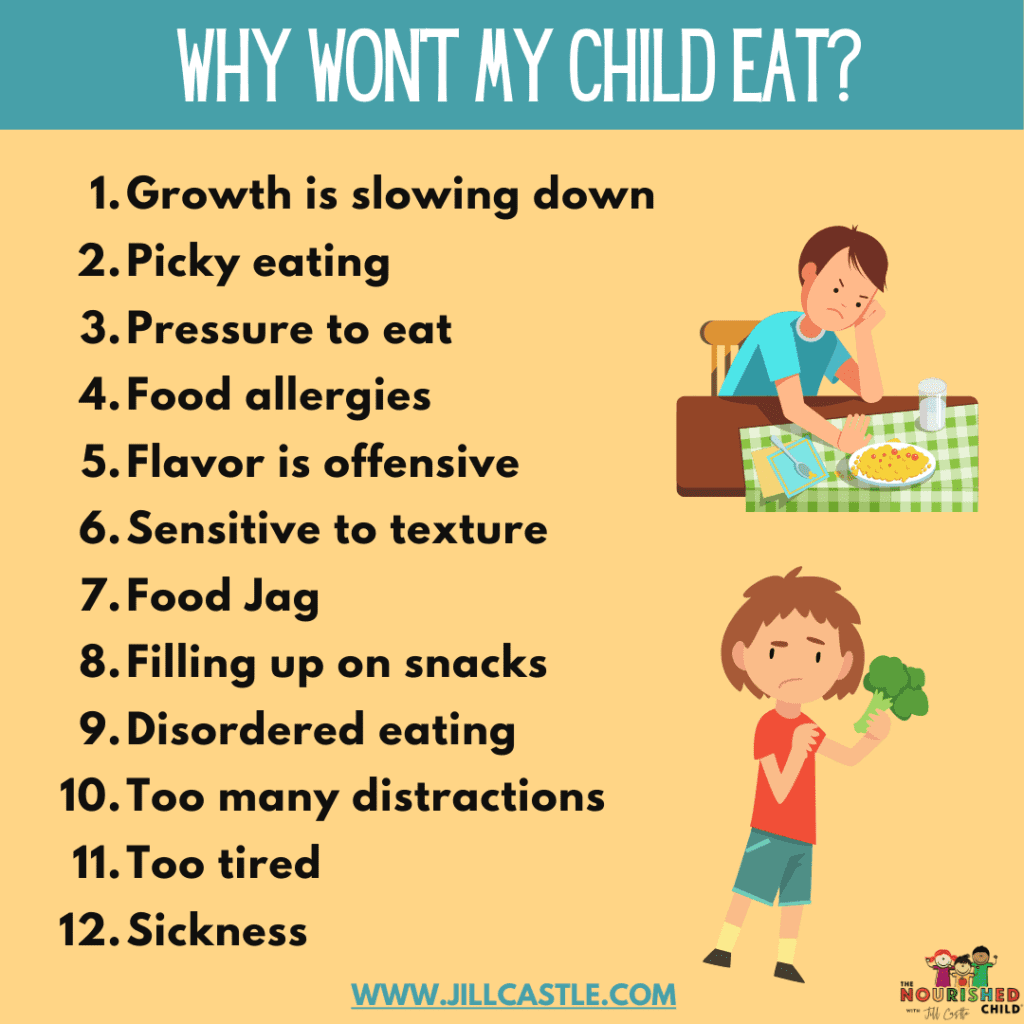
Image Source: thenourishedchild.com
Deciphering Why Toddlers Push Food Away
Seeing your toddler suddenly refuse food can be frustrating. You might worry about their health. But most times, it is not a big problem. There are many simple reasons why toddlers might not want to eat. Knowing these reasons can help you deal with the issue better.
Their Growth Slows Down
Babies grow very fast. Toddlers grow at a slower rate. They do not need as many calories. Their bodies need less fuel. This means they naturally eat less. A serving size for a toddler is very small. It might be only one or two tablespoons. Often, parents give too much food. This makes it seem like the child is not eating. But they might be eating just enough for their body. This change in growth often causes a loss of appetite toddler parents notice. It is normal.
They Want to Be in Charge
Toddlers learn to say “no.” They want to make their own choices. Food is one thing they can control. Refusing food is a way for them to show power. This can lead to big mealtime battles toddler parents dread. They might throw food. They might just keep their mouths shut. This is a normal part of their growth. They are learning to be their own person.
Illness or Teething Pain
When toddlers feel sick, they do not want to eat. A cold, a cough, or a tummy ache can make them lose interest in food. Teething also hurts their gums. It can make eating very painful. If your child is sick or teething, food refusal is common. Their hunger will come back when they feel better. Offer soft foods and liquids during these times. Do not force them to eat.
Too Many Snacks or Drinks
Toddlers have small tummies. If they drink a lot of milk or juice, they feel full. If they snack all day, they will not be hungry at mealtime. Sugary drinks or processed snacks offer little nutrition. They fill up a small stomach quickly. This is a common reason for toddler food refusal at main meals. Make sure snacks are healthy and planned. Limit drinks between meals.
New Foods or Textures
Toddlers like things that are familiar. They might be scared of new foods. This is called neophobia. It is a normal part of development. They might not like the look, smell, or feel of a new food. This can lead to picky eating toddler behaviors. It takes many tries for a child to accept a new food. Do not give up if they refuse it the first time.
Distractions at Mealtime
Loud TVs, toys, or tablets can take a toddler’s focus away from food. They get too busy watching or playing. They forget to eat. This makes mealtime hard. It turns it into a struggle. Create a calm, focused eating place. Turn off screens. Put toys away.
Sensory Issues with Food
Some toddlers are very sensitive. They might not like certain food textures. They might not like how food feels in their mouth. They might not like its smell. For example, they might hate mushy foods. Or they might dislike crunchy foods. This can make them refuse many foods. It is a real challenge for them. This is often part of picky eating toddler habits.
Fatigue or Tiredness
Toddlers get tired quickly. If they are too tired, they might not have the energy to eat. They might be fussy and refuse food just because they are sleepy. Try to keep meal times when your toddler is rested. A meal too close to naptime or bedtime can be hard for them.
Common Toddler Feeding Problems Table
This table shows common reasons why toddlers might not eat and simple ways to think about them.
| Issue | What it Means for Your Toddler | Simple Approach |
|---|---|---|
| Slower Growth | They just do not need as much food now. | Offer small portions. Let them ask for more. Do not push. |
| Seeking Control | They use food to show they are in charge. | Give them choices, but keep some control. Let them pick between two healthy foods. Do not force them to eat. |
| Sickness/Teething | It hurts to eat, or they feel unwell. | Offer soft, easy-to-eat foods. Give liquids. Food is not the main goal now. |
| Too Many Snacks/Drinks | Their tiny tummies are already full. | Offer water between meals. Make snacks healthy and at set times. |
| Fear of New Foods (Neophobia) | New foods feel scary or unsafe to them. | Offer new foods many times. Let them touch and smell the food. Do not force them to eat it. |
| Distractions | They are too busy to focus on eating. | Turn off TV and tablets. Make mealtime calm. Eat together as a family. |
| Sensory Sensitivity | Textures, smells, or tastes feel bad to them. | Offer foods in different forms. Do not hide foods. Be patient. |
| Fatigue | They are too sleepy to eat. | Keep meal times steady. Make sure they get enough rest. |
Grappling with Toddler Food Refusal
Dealing with a toddler food refusal can be very stressful. You might feel like you are failing. But many parents go through this. It is a common phase. The key is to stay calm and use smart tactics. Do not turn mealtime into a fight. Here are some ways to cope when your toddler pushes food away.
Avoid Power Struggles
When your toddler refuses food, your first thought might be to push them to eat. But this often makes things worse. It turns mealtime into a battle. The toddler learns that refusing food gets your attention. This makes them want to refuse food more. Do not beg. Do not offer rewards for eating. Do not punish for not eating. Just offer the food. If they do not eat, take it away without fuss. You offer the food, they decide to eat. This is the main idea. This helps prevent mealtime battles toddler parents often experience.
Offer Small Portions
Toddlers get easily overwhelmed. A big plate of food can feel like too much. Start with very small amounts. A good rule is one tablespoon per year of age. So, a two-year-old gets two tablespoons of each food. They can always ask for more. This makes the meal feel less scary. It also lowers food waste. This simple step can help ease toddler food refusal.
Keep a Regular Schedule
Toddlers do well with routines. Serve meals and snacks at the same times each day. This helps their bodies know when to expect food. It also means they will be hungry when food is offered. Make sure there are no snacks close to meal times. Give water between meals. This helps build a healthy appetite. This can reduce loss of appetite toddler issues at main meals.
Do Not Force Them to Eat
Never force your toddler to eat. This can make them hate food. It can also hurt their natural hunger signals. If they are not hungry, they are not hungry. Respect their choice. If they miss a meal, they will likely be hungrier at the next one. This helps them learn to listen to their own body cues. Forcing them can make toddler eating strike behaviors worse.
Strategies for Fussy Eaters: Turning Mealtimes Around
Facing a picky eating toddler every day can be draining. But there are many proven strategies for fussy eaters that can help. The goal is to make mealtimes a positive experience. You want to slowly grow their food choices. This takes time and patience.
Create a Positive Mealtime Scene
Mealtime should be happy and calm. Do not yell or get angry if your toddler does not eat. Eat with your child. Be a good role model. Show them how much you enjoy the food. Keep distractions away. Turn off the TV. Put away phones and toys. Make it a time for family talk, not a fight. A calm setting can reduce mealtime battles toddler families often face.
Offer Choices, But Keep Control
Toddlers want to choose. Let them pick between two healthy foods. “Do you want carrots or peas today?” “Do you want milk or water with dinner?” This gives them a sense of control. But you are still making sure they eat healthy options. This can cut down on toddler food refusal.
Involve Them in Food Prep
Kids are more likely to eat food they helped make. Let your toddler wash veggies. Let them stir ingredients. Let them set the table. Even small tasks make them feel important. They might be more curious about the food when it is served. This can be a fun way how to encourage toddler eating.
Make Food Fun and Appealing
Toddlers eat with their eyes. Make plates colorful. Cut food into fun shapes. Use cookie cutters for sandwiches or fruits. Arrange food to look like a face or a funny animal. Call broccoli “tiny trees.” Make up silly names for food. This can make a picky eating toddler more likely to try something new.
Present New Foods Slowly
It takes many times for a toddler to try a new food. Offer a new food along with a favorite food. Do not pressure them to eat it. Just put it on the plate. Let them touch it. Let them smell it. They might lick it. It can take 10 to 15 tries before a child accepts a new food. Keep offering it. Do not give up. This gradual approach is key for strategies for fussy eaters.
Mix New with Familiar
Try to put new foods with foods your child already likes. For example, put a tiny piece of new vegetable next to their favorite pasta. Or mix a very small amount of a new fruit into yogurt they love. This makes the new food less scary.
The “One Bite” Rule
Some parents use a “one bite” rule. Ask them to just try one bite. If they do not like it, that is fine. This teaches them to at least taste things. But do not make it a battle. If they refuse the one bite, do not push it. The goal is exposure without pressure.
Think About Food Textures
Some toddlers are sensitive to textures. If your child dislikes crunchy foods, offer soft ones. If they hate mushy foods, offer crisp ones. Try steaming veggies instead of boiling them. Or offer raw carrots instead of cooked ones. Find what they like. This is an important part of how to encourage toddler eating.
Watch Their Eating Habits, Not Just One Meal
It is easy to focus on one meal. But children’s appetites change day to day. They might eat a lot one day and very little the next. Look at what they eat over a whole week. If they eat a good mix of foods over time, they are likely getting enough. Do not worry about one single meal or snack. This wider view helps when you face toddler won’t eat dinner scenarios.
Smart Snacking
Snacks are important for toddlers. But they should not ruin mealtime hunger. Offer two or three planned snacks a day. Make them healthy. Think fruit, cheese, whole-grain crackers, or yogurt. Avoid sugary drinks or empty calorie snacks. Make sure snacks are far enough from meal times so they get hungry again. About 2-3 hours between food times works well.
Getting Through a Toddler Eating Strike
Sometimes, toddlers have a toddler eating strike. This means they stop eating almost everything. This is often a short phase. It can happen due to growth, illness, or just them trying to be in charge. Stay calm. Keep offering healthy foods. Do not make new, special meals. They will eat when they are hungry. Keep the mealtime routine steady. This phase usually passes.
How to Encourage Toddler Eating: Practical Steps
To get your toddler to eat, you need to use smart daily practices. These steps help create good habits for life. They also cut down on conflict at the table.
Make Meals and Snacks Predictable
- Set Times: Have breakfast, lunch, dinner, and 1-2 snacks at roughly the same times each day. This helps their bodies expect food.
- Time Limits: Limit meals to 20-30 minutes. If they do not eat, take the food away. Do not offer alternatives right after. They will learn that mealtime is when they eat.
- No Grazing: Do not let them eat all day. This keeps them from getting truly hungry for main meals.
Offer a Mix of Foods
- Rainbow Plate: Try to offer foods from all food groups. Make the plate colorful.
- Safe Foods with New Foods: Always put one food you know they like on the plate. This makes the new or less-liked food feel less scary.
- Repeat Exposure: Do not give up on a food if they refuse it once. It can take many times for a child to try a new food. Keep offering small amounts.
Let Them Help Themselves
- Self-Serve: Put serving bowls on the table. Let your toddler scoop their own food. Give them a small spoon. This gives them control.
- Dipping Fun: Offer healthy dips like hummus, yogurt, or mild salsa. Kids love to dip. This can make veggies more fun.
- Kid-Friendly Utensils: Use colorful plates, bowls, and tiny forks or spoons. This makes eating feel like play.
Model Good Eating Habits
- Eat Together: Always eat meals as a family. Toddlers learn by watching you.
- Show Enjoyment: Talk about how good the food tastes. “Mmm, these carrots are so sweet and crunchy!”
- No Bad Talk: Do not talk about your own dislikes for food. Do not force yourself to eat foods you hate in front of them. Be a good example of healthy eating.
Dealing with “I Don’t Like It”
- Respect No: If they say they do not like it, do not force them.
- No Pressure: “You do not have to eat it, but it is on the plate.”
- Try Again Later: Offer the food again another day in a different way. Maybe cooked differently, or with a dip.
Table: Good Snack Ideas for Toddlers
These snacks are healthy and will not ruin main meal appetites.
| Snack Type | Examples | Why It’s Good |
|---|---|---|
| Fruits | Apple slices, banana, berries, melon cubes, orange segments | Full of vitamins, natural sweetness, easy to eat. |
| Vegetables | Cucumber sticks, bell pepper strips, steamed carrots, cherry tomatoes | Offer fiber and vitamins. Try with a little hummus or plain yogurt. |
| Dairy/Protein | Cheese cubes, plain yogurt, hard-boiled egg, small piece of cooked chicken | Helps them feel full. Good for bones and muscles. |
| Whole Grains | Whole-wheat crackers, small pieces of whole-grain toast, unsweetened O-shaped cereal | Gives energy. Good for digestion. Choose low-sugar options. |
| Healthy Fats | Avocado slices, small amount of nut butter (spread thinly on toast) | Important for brain growth. Be careful with nut butter consistency. |
When to Worry: Toddler Not Gaining Weight or Other Concerns
Most common toddler feeding problems are normal. They pass. But sometimes, a child’s eating habits can be a sign of a bigger issue. It is important to know when to ask for help.
Signs to Watch For
- Toddler Not Gaining Weight: This is a key sign. If your child is not growing well, or if they are losing weight, talk to a doctor right away. Growth charts help track this.
- Constant Lack of Energy: If your toddler always seems tired, weak, or has no energy to play, this could be a worry.
- Extreme Pickiness: If your child eats fewer than 10-15 different foods, or if they cut out whole food groups (like all fruits or all vegetables), this is extreme pickiness. It might need help.
- Choking Issues: If your child often chokes or gags on food, or has trouble swallowing, get medical advice.
- Pain While Eating: If they cry or seem to be in pain when they eat, see a doctor.
- Very Upset at Meals: If every meal is a major meltdown, and you feel stuck, help is available.
- Changes in Bowel Habits: Ongoing constipation or diarrhea can be linked to diet problems.
When to See a Doctor
If you see any of the worrying signs, or if you are very concerned, talk to your child’s doctor. They can check their growth. They can look for any medical reasons for the toddler food refusal. They can also guide you to specialists. These might include:
- Pediatric Dietitian: An expert who helps kids with eating problems. They can give specific food plans and ideas.
- Occupational Therapist: If sensory issues are a major problem, an OT can help your child learn to deal with different textures and tastes.
- Child Psychologist: If mealtime battles are very intense, or if there are major behavior issues around food, a psychologist might help.
Remember, you are not alone. Many parents deal with picky eating toddler issues. Help is available. Trust your gut. If something feels wrong, ask for help.
Decisive Steps for Parents: A Summary
Dealing with a toddler who doesn’t want to eat needs patience and clear ideas. It is normal for toddlers to eat less or be picky. This comes from slower growth and a desire for control. Do not let mealtime become a fight.
Focus on creating a calm, happy eating space. Offer small, healthy portions. Let your child help prepare food. Model good eating habits. Be patient when offering new foods. Remember, it often takes many tries for a child to accept a new food.
Watch for signs that might need a doctor’s visit, especially if your toddler not gaining weight. Most times, with a gentle approach and steady routine, your toddler will eat what they need to grow and thrive. You are doing a great job!
Frequently Asked Questions (FAQ)
h4 Is it normal for my toddler to skip meals entirely?
Yes, it is common for toddlers to skip a meal here and there. Their appetite changes daily. They might eat a lot for breakfast but not much for lunch. Or they might not eat dinner at all. As long as they are eating enough over a few days and growing well, it is usually fine. Do not worry about one missed meal.
h4 How long should a toddler meal last?
Keep meal times to about 20 to 30 minutes. If your toddler is not eating after this time, remove the food. This teaches them that mealtime is for eating. It also prevents mealtime from turning into a long, drawn-out battle. Do not offer food again until the next planned snack or meal.
h4 Should I offer a different meal if my toddler refuses the first one?
No, it is usually best not to offer a new, special meal if your toddler refuses what is served. This can teach them that if they refuse food, they will get something better. Serve the meal you planned. If they do not eat it, that is their choice. They will likely be hungrier for the next planned meal or snack.
h4 What if my toddler only wants to eat one type of food, like pasta?
This is a common form of picky eating toddler behavior. It is called a “food jag.” Keep offering other foods along with the preferred food. Slowly reduce the amount of the preferred food. For example, give a small amount of pasta with some chicken and broccoli. Do not make a big deal about the pasta. They might try the other items if they are hungry enough.
h4 Can picky eating affect my toddler’s development?
In most cases, common picky eating toddler habits do not cause long-term health problems. Toddlers tend to get enough nutrients over time, even if their diet seems limited. However, if extreme pickiness leads to toddler not gaining weight or a lack of energy, it can be a concern. Talk to your doctor if you have serious worries about their growth or health.