
Why does my toddler fight sleep every night? This is a common question for parents facing toddler sleep problems. It’s true that toddlers can be tricky when it comes to bedtime. They often test limits, have new fears, and their sleep needs change. Many things can make it hard for your little one to settle down and stay asleep. We can look at the main reasons why toddler won’t nap or sleep well at night and what you can do about it.
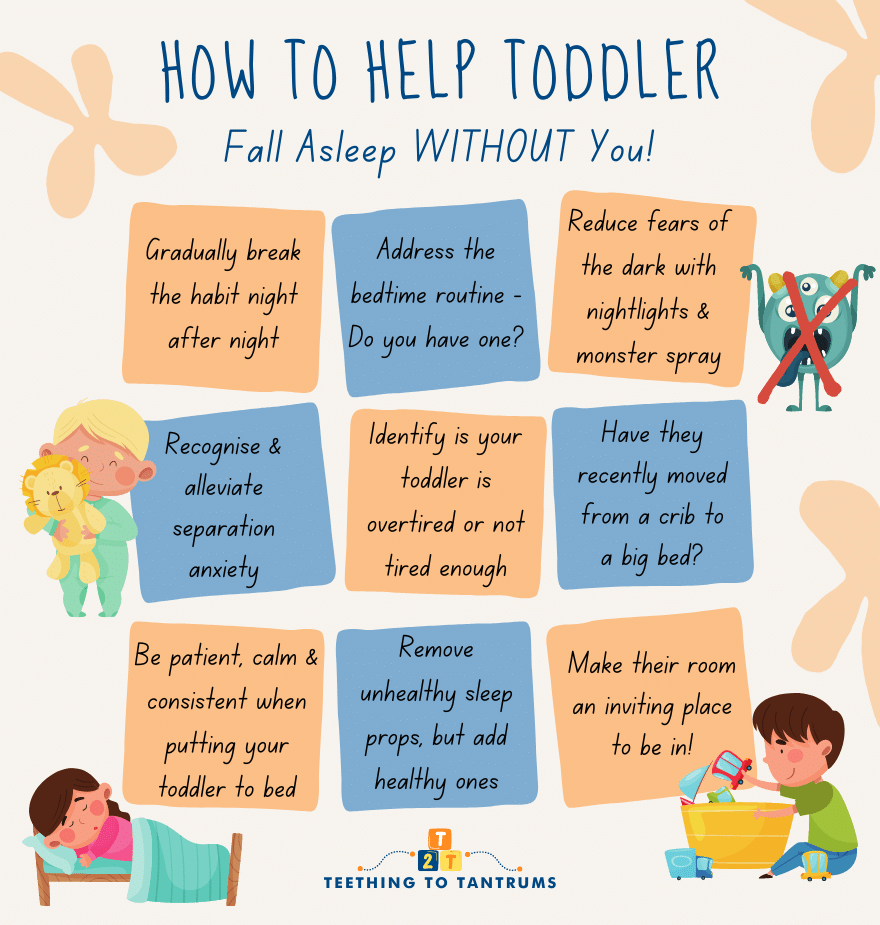
Image Source: www.teethingtotantrums.com
Grasping Common Toddler Sleep Problems
Having trouble with sleep is a big part of being a toddler parent. One night they sleep like an angel. The next night, they might fight bedtime hard. Or they wake up crying many times. These toddler sleep problems can make everyone tired and stressed. But you are not alone. Most families go through this. Learning why sleep is hard for them is the first step to helping.
Many things can mess up sleep for toddlers. It could be their daily plan, how they feel, or even changes happening around them. Let’s look at the common reasons.
Deciphering the Sleep Schedule Puzzle
One big reason for sleep trouble is their toddler sleep schedule. Toddlers need a certain amount of sleep. Too little sleep is bad. Too much sleep is also bad. And sleeping at the wrong times makes things hard.
Finding the Right Bedtime
If your toddler goes to bed too late, they might get toddler overtired. This sounds strange, right? Like they should fall asleep faster. But when they are overtired, their body makes stress hormones. These hormones make them hyper and wired. It’s harder to calm down and fall asleep.
If your toddler goes to bed too early, they might not be tired enough yet. They will just play or cry in bed.
The best bedtime is usually when they show signs of being sleepy, but before they get overtired. Signs include rubbing eyes, yawning, quieter play, or getting clingy. This is often between 6:30 PM and 8:00 PM for most toddlers.
Naps Matter Too
Daytime naps are a key part of the toddler sleep schedule. But naps can cause problems if they are too long or too late in the day.
If a toddler won’t nap, they will likely be overtired at bedtime. This makes falling asleep hard.
If a nap is too long, they might not be tired enough for nighttime sleep.
If a nap ends too late (like after 4:00 PM for some kids), it cuts into the time they need to build sleep pressure for bedtime.
Finding the right nap length and timing is important. Most toddlers drop to one nap a day between 15 and 18 months. This nap usually lasts 1.5 to 3 hours. It often happens after lunch.
Keep It Consistent
Going to bed and waking up at different times each day messes up their body clock. Weekends are often the biggest problem. Letting them stay up very late or sleep in very late makes Monday bedtime harder. Try to keep the toddler sleep schedule much the same every day, even weekends. This helps their body know when it’s time to sleep.
Interpreting Overtired Signals
We talked about being toddler overtired. It’s a really common reason for fighting sleep. It seems backward, but a child who is too tired often acts hyper.
Signs of Being Overtired
- Acting hyper or silly
- Getting a “second wind” of energy
- Easily annoyed or frustrated
- Clumsy actions
- Rubbing eyes or yawning (sometimes they hide this!)
- Getting clingy or whiny
When you see these signs, it’s often past the easy window for sleep. Putting them to bed earlier might be needed. Sometimes, just a few days of earlier bedtimes can reset an overtired child.
Comphrending Sleep Regressions
A toddler sleep regression is a time when a toddler who was sleeping well suddenly starts having sleep problems. This might be fighting bedtime, waking up more at night, or taking short naps (or skipping them).
These regressions happen at certain ages or times of big change. Common times are around 18 months and 2 years old.
Why Do Regressions Happen?
- Learning New Skills: Toddlers are always learning! Walking, talking, climbing, problem-solving. Their brains are busy. They might want to practice these new skills instead of sleeping. They might wake up in the night to practice standing in their crib.
- Growth Spurts: Sometimes rapid physical growth can affect sleep.
- Big Life Changes: Moving to a new house, a new sibling, starting daycare, switching from a crib to a bed. All these big changes can make toddlers feel unsure and affect their sleep.
- Separation Anxiety: This can get worse around regression times. (More on this below.)
A toddler sleep regression is usually a sign of normal development. It’s frustrating, but it doesn’t last forever. The best way through it is to stick to your good sleep habits and be patient.
Fathoming Separation Anxiety
Separation anxiety toddler style often peaks around 18 months to 2 years. This is when your toddler gets scared that you might leave them. They might cry when you leave the room during the day. At night, this fear can be stronger.
How Separation Anxiety Affects Sleep
- Crying when you leave the bedroom
- Wanting you to stay until they fall asleep
- Waking up at night and crying for you
- Clinging to you at bedtime
Toddlers don’t fully understand that when you leave, you will come back. Bedtime feels like a long separation.
Helping with Separation Anxiety
- Practice short separations during the day: “Mommy is going to the kitchen for one minute. I’ll be right back!”
- Create a loving, but firm goodbye at bedtime: A quick hug, kiss, and “I love you. Time for sleep. I’ll see you in the morning.” Don’t sneak out.
- Comfort objects: A special blanket or stuffed animal can help.
- Be consistent: Coming back in many times can make it worse. Reassure them you are close, but don’t stay in the room for long.
Addressing “Won’t Stay in Bed” Issues
Around age two or three, many toddlers move from a crib to a bed. This is a big step. With a bed, comes freedom! And that often means the toddler won’t stay in bed. They get up to play, come to your room, or just wander around.
Why Toddlers Get Out of Bed
- Testing Boundaries: They are learning what happens when they get out of bed. Can they get attention? Get to play? Come to your room?
- Not Tired Enough: If their sleep schedule is off, they might not be ready to sleep.
- Fear: They might be scared of the dark or things in their room.
- Seeking Attention: Getting out of bed is a sure way to get a parent to come to them.
What to Do When Toddler Won’t Stay in Bed
- Be Firm and Calm: The first few nights can be tough. Each time they get out, quietly and calmly lead them back to bed. Don’t scold. Don’t talk much. Just put them back.
- Door Options: Some parents use a gate in the doorway at first. Or they might close the door (explain why in a simple way, like “The door is closed so you stay safe in your room until morning.”) and open it again when they are in bed.
- Use a Sleep Clock: A special clock that lights up when it’s okay to get out of bed can help older toddlers. Green light means “time to get up!” Red light means “stay in bed.”
- Positive Praise: Praise them in the morning if they stayed in bed all night or for part of the night.
- Make the Room Safe: Remove any hazards they could get into if they get up.
Helping with Night Wakings
Night waking toddler is another common sleep problem. Toddlers wake up briefly many times during the night. This is normal for everyone, even adults. But adults know how to fall back asleep. Toddlers might need help.
Why Toddlers Wake and Cry
- Couldn’t Fall Asleep Alone: If a toddler needs help (like being rocked or fed) to fall asleep at bedtime, they will need that same help when they wake up in the night. They haven’t learned to put themselves back to sleep. This is a big part of toddler sleep problems.
- Hunger/Thirst: Though most toddlers don’t need to eat at night, sometimes they do. Offer water if they seem thirsty.
- Diaper Needs: A wet or dirty diaper will cause a wake-up.
- Illness or Discomfort: Teething pain, a stuffy nose, an ear infection can all wake a child.
- Nightmares or Night Terrors: These are different. Nightmares make them wake fully and scared. Night terrors mean they seem awake and scared, but are actually still mostly asleep. They usually don’t remember night terrors.
- Schedule Issues: An overtired or undertired toddler is more likely to wake up during the night.
- Separation Anxiety: Waking up alone can be scary for a toddler with separation anxiety toddler.
Handling Night Wakings
How you handle night wakings depends on the cause. If they are sick, they need comfort and care. If it’s a habit or related to how they fell asleep, you might need to teach them to fall back asleep alone. This is where sleep training toddler methods can come in handy for night wakings too.
Building a Strong Bedtime Routine
A consistent bedtime routine is one of the most powerful tools you have to help with toddler sleep problems. It tells your child’s body and brain that sleep time is coming. It helps them wind down and feel secure.
Why a Routine Works
- Signals Sleep: Repeating the same steps each night creates a strong link in their brain to sleep.
- Calms Down: Activities like a bath, reading, and quiet play help them relax after a busy day.
- Predictable: Toddlers love knowing what to expect. A routine makes bedtime predictable and less scary.
- Connects You: It’s a special time to connect with your child before separating for the night.
Making a Good Bedtime Routine
- Start Early Enough: Give yourself enough time. A routine might be 20-45 minutes long. Starting too late means rushing, which makes kids more wired.
- Keep It Simple: 3-5 steps are usually enough.
- Make It Calm: Avoid rough play, screens (TV, tablets), or anything too exciting right before bed.
- Do It in the Same Order: This is key for predictability.
- End in the Bedroom: The last steps (like putting on pajamas, reading) should happen in the room where they sleep. The very last step should be putting them into their crib or bed while they are awake but sleepy.
Example Bedtime Routine
Here’s a simple example:
| Step | Activity | Time (approx.) |
|---|---|---|
| 1 | Bath (optional) | 15-20 min |
| 2 | Pajamas and Diaper | 5 min |
| 3 | Brush Teeth | 2 min |
| 4 | Reading Books | 10-15 min |
| 5 | Hugs, Kisses, Song | 5 min |
| End | Into Crib/Bed | Sleepy, but awake |
Stick to the routine every night, even when traveling or on weekends if possible.
Exploring Sleep Training Methods
Sometimes, despite having a good routine and schedule, toddler sleep problems continue. Your toddler might still need help learning to fall asleep alone or go back to sleep after waking. This is where sleep training toddler approaches can be helpful.
Sleep training is about teaching your child to comfort themselves and fall asleep without needing you to do it for them (like rocking, feeding, or lying with them). There are many different ways to do this.
Different Sleep Training Methods
- Extinction (Cry It Out): This means putting your child to bed awake and not going in until the morning (or after a set long period for night wakings). This is the fastest method but can be hard for parents to listen to.
- Graduated Extinction (Ferber Method): This involves checking on your child at planned, increasing time gaps. You offer brief comfort but don’t pick them up or stay long. This helps parents feel better about checking while still allowing the child space to learn.
- Chair Method (Fading): You sit on a chair next to the crib or bed until your child falls asleep. Each night, you move the chair farther away until you are out of the room. This is a slower, gentler method.
- Pick-Up/Put-Down: For younger toddlers, you pick them up to calm them when they cry, then put them back down as soon as they stop crying, repeating as needed. This can be very tiring for toddlers.
Keys to Sleep Training Success
- Make Sure Needs Are Met: Feed them, change their diaper, make sure they aren’t sick.
- Follow a Good Routine: The routine sets the stage.
- Be Consistent: Choose a method and stick to it strictly for at least a week or two. Doing it sometimes and not others confuses your child.
- Choose the Right Time: Don’t start during illness, travel, or big family changes.
- Both Parents Agree: It’s much easier if both parents or caregivers are on the same page.
- It’s Okay to Seek Help: A certified sleep consultant can help you make a plan for your specific child and situation.
Sleep training toddler methods are a choice. They don’t work for every family, and that’s okay. But for many, they provide a way to get much-needed sleep for the whole family.
Other Factors Affecting Toddler Sleep
Beyond schedules and behavior, other things can cause toddler sleep problems.
Illness and Discomfort
A cold, ear infection, fever, or teething pain can definitely disrupt sleep. They might need comfort or medicine (ask your doctor) to sleep better when sick.
Room Environment
- Light: The room should be dark. Use blackout curtains if needed. A small night light is okay if they are scared of the dark, but not too bright.
- Noise: Loud noises can wake them. A white noise machine can help block out other sounds and be a soothing signal for sleep.
- Temperature: The room should be cool and comfortable. Not too hot, not too cold.
Diet
Giving sugary drinks or snacks close to bedtime can make it hard to settle down. Make sure they have eaten enough dinner so they aren’t hungry, but avoid big snacks right before bed.
Putting It All Together
Solving toddler sleep problems often means looking at many things at once.
- Check the Schedule: Are they getting enough sleep? Is bedtime too late (overtired) or too early? Are naps too long or too late? Find the sweet spot for their toddler sleep schedule.
- Look at the Routine: Is your bedtime routine calm, consistent, and does it end with them going into bed awake?
- Think About Development: Are they going through a toddler sleep regression? Is separation anxiety toddler making bedtime hard?
- Consider Habits: Are they reliant on you to fall asleep? Do they know how to get back to sleep after night waking toddler? This might be where sleep training toddler helps.
- Rule Out Other Issues: Are they sick? Is the room comfortable?
It takes time and patience to figure out why your toddler won’t nap or sleep at night. Each child is different. What works for one might not work for another.
Frequently Asked Questions (FAQ)
My toddler just keeps getting out of bed! What do I do if my toddler won’t stay in bed?
Be consistent! Every single time they get out, calmly and quietly walk them back to bed. Say something simple like, “It’s sleepy time. Stay in bed.” Do not get mad. Do not have a long talk. Just return them to bed. This might take many times on the first nights. Consistency is the key for them to learn the boundary.
How long should our bedtime routine be?
A good bedtime routine is usually between 20 to 45 minutes. It needs to be long enough to help them wind down, but not so long that they get bored or start getting a “second wind.”
My toddler won’t nap. Does this mean they will sleep better at night?
Not always! If a toddler won’t nap, they often become toddler overtired. An overtired child usually has more trouble falling asleep at bedtime and might have more night waking toddler. It’s better if they get a nap, even a shorter one. If they resist naps completely, an earlier bedtime is usually needed to make up for the missed daytime sleep.
When does separation anxiety toddler usually get better?
Separation anxiety toddler phases come and go. They often peak around 12-18 months and again around 2-3 years. Being consistent with goodbyes and reinforcing that you will return helps them feel more secure over time.
How long does a toddler sleep regression last?
A toddler sleep regression typically lasts for 2-4 weeks. If sleep problems last much longer than that, it might be due to other factors like habits related to night waking toddler or needing to adjust the toddler sleep schedule or bedtime routine.
Is sleep training toddler methods harmful?
Experts generally agree that established, evidence-based sleep training toddler methods (like graduated extinction or fading) are not harmful to children. They teach independent sleep skills, which can benefit the whole family’s rest and well-being. Choose a method you feel comfortable with and that fits your family values.
What if my toddler won’t stay in bed even after we put them back 100 times?
This is very tiring! Make sure the room is safe. You might need to add a gate at the door or safely close the door briefly to help them learn they must stay in the room. Re-evaluate their toddler sleep schedule – maybe they aren’t tired enough at bedtime? Also, make sure they aren’t getting any positive attention (like getting to play with you or getting a snack) for getting out of bed.
Should I let my toddler won’t nap if they fight it hard?
If they consistently fight the nap, try offering a “quiet time” instead. This is time in their room playing quietly or looking at books. Even if they don’t sleep, the quiet rest helps prevent them from becoming completely toddler overtired. If they skip a nap, always offer an earlier bedtime.
How can I help my night waking toddler sleep through the night?
First, check the reasons: Are they hungry? Sick? Do they need you to fall asleep at bedtime? If it’s a habit of needing you, you might use a gentle sleep training toddler method to help them learn to fall back asleep on their own when they have a night waking toddler moment. Make sure the room is dark and quiet.
When should I worry about toddler sleep problems and ask a doctor for help?
Talk to your doctor if:
* You think a medical reason (like sleep apnea, restless legs, or severe allergies) is causing the problems.
* Your child seems excessively sleepy during the day.
* The toddler sleep problems are making your family very stressed and affecting everyone’s health and mood.
* You have tried many things and nothing seems to help.
A doctor can check for health issues and give you advice or point you to a sleep specialist.
Solving toddler sleep problems takes time, patience, and a lot of consistency. Focus on building good habits with a solid bedtime routine and a fitting toddler sleep schedule. You are doing a great job, even on the hard nights!