
Why won’t my toddler sleep? This is a question many parents ask, and the answer is often complex. Toddlers struggle with sleep for many reasons. It can be due to their growth. It can be because of changes in their day. Sometimes, it’s just part of being a toddler. They are learning and changing fast. These changes can make sleep tricky. This post will explore these common issues. We will look at why they happen. We will also look at ways to help your child sleep better.
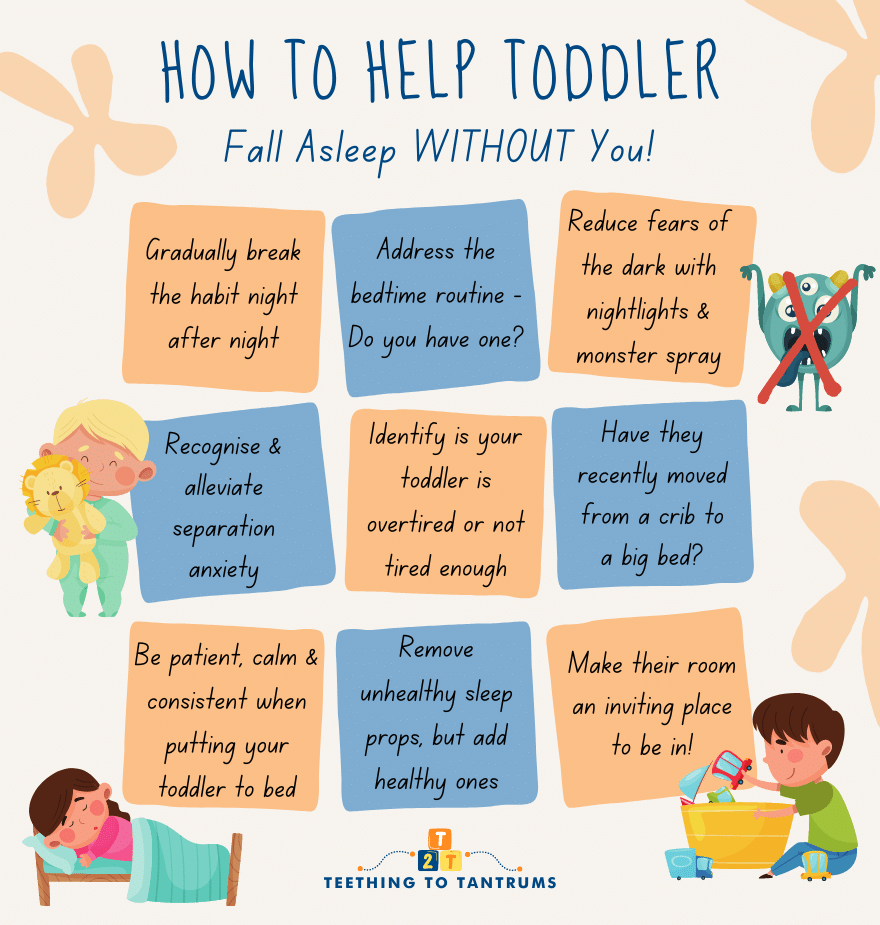
Image Source: www.teethingtotantrums.com
Deciphering Why Sleep is Hard
Toddler sleep issues are common. Almost half of parents report sleep problems. These issues can make everyone tired. They can make days harder. Knowing why problems happen is the first step. Toddlers are not small adults. Their sleep is different. It changes as they grow.
Exploring Developmental Steps and Sleep
Big steps in growth affect sleep. When toddlers learn new skills, sleep can change. They might practice new things in bed. They might want to stay up. This is normal.
Walking and Talking
Learning to walk is a big deal. Learning to talk is too. These skills are exciting. Toddlers think about them. They might want to practice them at night. They might stand in their crib. They might call out words. This thinking and practicing can keep them awake.
Brain Growth
A toddler’s brain grows fast. They are taking in the world. They process lots of new things. This active brain can make it hard to calm down for sleep. They might seem wired at bedtime. This is often a sign of their busy minds.
Addressing Common Toddler Sleep Issues
Many specific problems can stop toddlers from sleeping. These are common challenges parents face.
Toddler Sleep Regression
A big reason for sudden sleep problems is toddler sleep regression. This is when a toddler who slept well suddenly stops. They might wake up more. They might fight bedtime. This often happens around 18 months or 2 years. It can last a few weeks.
Why Regressions Happen
Regressions link to growth spurts. They link to learning new skills. They also link to changes like moving to a big bed. Or a new sibling coming. Separation anxiety toddler issues also start around this time. This fear of being away from you can make bedtime hard.
Signs of Regression
- Waking up more at night.
- Taking short naps or refusing naps.
- Fighting bedtime routines.
- Crying when left alone.
- Needing parents nearby to sleep.
This period is tough. It feels like you are going backward. But it is a normal step in growth.
Overtired Toddler Signs
It sounds strange, but being too tired makes it hard to sleep. When toddlers get overtired, their bodies make stress hormones. These hormones make them more alert. They get a second wind. This second wind makes them hyper. It makes them fight sleep even more.
Recognizing the Signs
- Rubbing eyes often.
- Yawning a lot.
- Looking glazed over.
- Being fussy or irritable.
- Having meltdowns over small things.
- Getting hyper or silly.
- Falling asleep very fast (can mean they were overtired).
Spotting these signs early helps. It means you missed their best sleep window. Putting them to bed earlier can help prevent overtiredness.
Toddler Refusing Bedtime
Many toddlers fight sleep. They might say “no.” They might cry. They might run away. This is a power struggle. Toddlers want control. Bedtime is a time they feel they have little control.
Why They Refuse
- Testing boundaries.
- Wanting more time with you.
- Not feeling tired (maybe naps are too long or late).
- Fear of missing out (FOMO).
- Separation anxiety toddler worries.
This refusal is frustrating. It needs calm, firm handling. Consistency is key here.
Toddler Waking Up at Night
Waking up at night is common. Toddlers move between sleep stages. They might wake up a little. If they don’t know how to go back to sleep alone, they call for you.
Reasons for Waking
- Hunger or thirst (less common after 1 year unless ill).
- Wet or dirty diaper.
- Being too hot or cold.
- Sickness or teething pain.
- Nightmares or night terrors.
- Changes in routine.
- Lack of skills to self-soothe.
- Separation anxiety toddler issues.
Finding the reason is important. Simple needs like a drink are easy fixes. Learning to go back to sleep alone takes time.
The Role of Daily Habits and Environment
How you spend the day affects sleep at night. Routines and the sleep space matter a lot.
The Power of a Toddler Bedtime Routine
A good toddler bedtime routine signals to your child that sleep is coming. It helps them wind down. It creates a sense of calm and safety. Routines should be simple and the same every night.
Creating a Good Routine
- Start early enough: Begin winding down about 30-60 minutes before the goal sleep time.
- Keep it short: 20-30 minutes is often plenty.
- Follow the same steps: Do the same things in the same order each night.
- Make it calm: No screens or exciting play.
- Examples: Bath, put on pajamas, brush teeth, read stories, sing quiet songs, cuddle.
A consistent routine helps toddlers feel secure. It builds good sleep habits. Even on weekends, try to keep the routine similar.
Nap Schedule for Toddlers
Daytime sleep impacts nighttime sleep. Too much or too little napping can cause problems. Most toddlers need one nap per day. This usually happens between ages 1 and 3.
Typical Nap Needs
- 12-18 months: Often moving from two naps to one. One long nap (1-3 hours) is common.
- 18 months – 3 years: Usually one nap, often after lunch.
- 3 years+: Some drop naps completely. Others keep a short one.
Nap Pitfalls
- Napping too late: A nap ending late in the afternoon can make it hard to fall asleep at night.
- Napping too long: Very long naps might mean less need for nighttime sleep.
- Missing naps: This leads to overtired toddler signs and bedtime fights.
Watching your child’s sleep cues helps set the right nap schedule for toddlers. Aim for a nap that allows enough awake time before bed.
Sleep Environment Toddler Needs
The place where a toddler sleeps matters. Their room should be right for sleep.
Key Environment Factors
- Darkness: A dark room helps their body make melatonin. This is the sleep hormone. Blackout curtains are helpful.
- Quiet: Noise can wake them. A sound machine with white noise can block out house sounds.
- Cool Temperature: A cooler room is better for sleep. Aim for 68-72°F (20-22°C).
- Safety: The crib or bed should be safe. No loose blankets or pillows for babies under one. For toddlers, keep their sleep space simple and safe.
- Comfort: A comfy mattress and simple bedding are needed.
Make the sleep environment toddler friendly. This means making it a calm, safe place just for sleeping. Avoid making it a play zone right before bed.
Exploring Ways to Help: Sleep Training Methods
If common issues persist, parents might consider sleep training methods. The goal is to help your toddler learn to fall asleep alone and go back to sleep alone if they wake up.
Gentle Methods
These methods involve less crying. Parents stay close by or check in often.
The Chair Method
You sit on a chair near the crib/bed. As your child gets used to it, you move the chair closer to the door each night. This slowly increases the distance between you. You offer comfort verbally but don’t pick them up.
Gradual Retreat
Similar to the chair method. You start very close, perhaps holding their hand. Then slowly move away over many nights.
Methods Allowing More Crying
These methods involve leaving the child alone for set times.
Ferber Method (Graduated Extinction)
You put your child down awake. Leave the room. Return to check on them at set, growing time periods (e.g., 5 mins, then 10 mins, then 15 mins). You offer comfort without picking up.
Extinction (Cry It Out)
You put your child down awake and leave the room. You do not return until the morning or a scheduled check-in time for feeding if needed (less common for toddlers). This method is hard for parents but can be effective quickly for some issues, assuming no other needs (like sickness or pain).
Points on Sleep Training Methods
- Consistency is vital: Whichever method you pick, do it the same way every time.
- Timing matters: Don’t start when your child is sick or a major change just happened.
- Age appropriate: Some methods are better for different ages.
- Parental comfort: Choose a method you can stick with.
- Rule out other issues: Make sure your child isn’t waking up from hunger, pain, or being too hot/cold.
Sleep training methods are tools. They help teach sleep skills. They don’t work for every problem (like sickness).
Other Factors Causing Sleep Troubles
Beyond regressions, routines, and environment, other things can disrupt sleep.
Sickness and Teething
When toddlers feel unwell, their sleep suffers. A stuffy nose makes breathing hard. A fever is uncomfortable. Teething pain can wake them up. These are temporary issues. Comforting them is needed when they are sick. Sleep usually gets back to normal when they feel better.
Nightmares and Night Terrors
Toddlers can have bad dreams. Nightmares happen during REM sleep. The child usually wakes up and is scared. They remember the dream. Night terrors are different. They happen during deep sleep. The child might scream or thrash. They seem awake but are not. They usually don’t remember it.
Handling Nightmares
Comfort your child. Tell them they are safe. Check under the bed or in the closet if it helps them.
Handling Night Terrors
Do not try to wake them up fully. They are not aware you are there. Keep them safe from hurting themselves. The episode usually ends in a few minutes. Waking them can make it worse.
Too Much Screen Time
Watching TV or using tablets close to bedtime is bad for sleep. The blue light from screens can stop the body from making melatonin. This makes it harder to fall asleep. Aim for no screens in the hour before bedtime.
Late Meals or Snacks
A full tummy is good, but eating a big meal or sugary snack right before bed can cause problems. Some toddlers might wake up from hunger if they had too little dinner. A small, plain snack (like crackers or milk) can be part of the bedtime routine if needed.
Pulling It All Together: Strategies for Better Sleep
Addressing toddler sleep issues often needs a mix of strategies.
Consistency is Your Friend
The most important thing is being consistent. Do the routine the same way every night. Respond to wake-ups in a calm, planned way. This teaches your child what to expect.
Set Clear Boundaries
Toddlers push limits. Be firm about bedtime. “It’s time for bed now” is clear. Don’t give in to many requests after the routine is over (e.g., “one more drink,” “one more story”). Offer choices within the routine (e.g., “Do you want the blue pajamas or the red ones?”).
Watch for Sleep Cues
Pay attention to when your child naturally gets tired. This helps you start the routine at the right time. Putting an overtired toddler to bed is harder. Putting them to bed too early when they are not tired also doesn’t work.
Encourage Self-Soothing
Help your child learn to fall asleep alone. This is the main goal of sleep training methods. It helps them put themselves back to sleep during natural night wakings. A lovey or blanket can help them feel safe.
Check the Sleep Environment
Make sure the room is dark, quiet, and cool. These small changes make a big difference. Ensure the sleep environment toddler needs are met every night.
Manage Daytime Sleep
Pay attention to the nap schedule for toddlers. Ensure naps are at the right time and length for their age. Avoid late afternoon naps.
Address Separation Anxiety Toddler Fears
Acknowledge their fears. A quick, firm goodbye is better than sneaking out. A routine helps build trust that you will return. For older toddlers, a ‘magic kiss’ or a picture of you under their pillow might help.
When to Seek Help
Sometimes, sleep issues need extra help. If sleep problems are severe, last a long time, or affect your child’s health or mood during the day, talk to your doctor.
Signs You Might Need Help
- Sleep issues affect your child’s growth or development.
- Your child is very tired and irritable all day.
- You suspect medical issues like sleep apnea (snoring loudly, pauses in breathing).
- Sleep problems are causing severe stress for the family.
- You have tried strategies without success.
Your doctor can check for medical reasons. They can also suggest seeing a sleep specialist.
Decoding Specific Behavior: Toddler Refusing Bedtime Deep Dive
Let’s look closer at the bedtime refusal battle. Toddler refusing bedtime often happens around age 2 or 3. This is when they test limits more.
Reasons Behind the “No!”
- Seeking Control: Toddlers have little say in their day. Saying “no” to bedtime gives them power.
- Testing Boundaries: They want to see what happens if they don’t go. What will you do?
- Wanting Attention: Extra cuddles or playtime seem worth fighting sleep for.
- Fear of Missing Out: The house is still active. They don’t want the fun to stop.
Handling the Refusal
- Stay Calm and Firm: Getting angry doesn’t help. State the rule simply. “It’s time for bed now.”
- Offer Limited Choices: “Do you want to walk to your room or should I carry you?” This gives them a little control without changing the plan.
- Follow the Routine: Do the routine as planned. Don’t skip steps or rush.
- Use Positive Reinforcement: Praise them when they follow the routine well.
- Be Consistent: If they get out of bed, calmly lead them back. Do this every time. It might take many tries. Avoid long talks or getting drawn into arguments.
- Security Object: A special toy or blanket can make the bed feel safer.
This phase is about setting limits. It takes patience. But being firm and kind works best over time.
Exploring the Science of Sleep
Toddlers’ sleep cycles are different from adults. They spend more time in light sleep. This is why they wake up more easily. They also nap. Naps help process learning and rest their brains.
Sleep Stages in Toddlers
Like adults, toddlers go through sleep stages.
* Non-REM Sleep: Has light sleep, then deeper sleep. This is where growth hormone is released. Night terrors can happen here.
* REM Sleep: This is where dreams happen. Toddlers spend more time here than adults. Nightmares happen here.
They cycle through these stages during the night. Each cycle is shorter than an adult’s. When they finish a cycle, they might wake up briefly. Learning to connect these cycles without fully waking is a key sleep skill. This is why sleep training methods focus on falling asleep alone. If they fall asleep in your arms, they expect to be there when they wake between cycles.
Deciphering Overtiredness More
Let’s look deeper at overtired toddler signs. It’s a major cause of bedtime battles and night waking.
The Cycle of Overtiredness
Toddler misses their sleep window -> Body makes stress hormones (cortisol) -> Toddler becomes wired/hyper -> Harder to fall asleep -> Falls asleep late -> Wakes up more easily (sleep is lighter) -> Wakes up early -> Not enough sleep -> Overtired the next day.
This cycle repeats. Breaking it means catching that sleep window. Watch for the first signs of tiredness. Don’t wait until they are hyper or melting down.
Fixing Overtiredness
- Earlier Bedtime: This is the main fix. Even 15-30 minutes earlier can help.
- Protect Naps: Make sure they get their nap. Create a good nap environment.
- Wind Down Time: Ensure the bedtime routine is calm and starts early enough.
It might take a few nights to reset. But preventing overtiredness is key to better sleep.
Table of Common Toddler Sleep Issues and Solutions
| Sleep Issue | Common Reasons | Possible Solutions |
|---|---|---|
| Toddler Sleep Regression | Growth spurts, new skills, separation anxiety, change in routine | Stay consistent with routine, offer comfort but encourage self-soothing, be patient |
| Overtiredness | Missed sleep window, poor nap schedule | Put to bed earlier, ensure adequate napping, watch for tired signs |
| Toddler Refusing Bedtime | Seeking control, testing limits, separation anxiety, FOMO | Be consistent and firm, follow routine, offer limited choices, lead back to bed calmly |
| Toddler Waking Up at Night | Cannot self-soothe, hunger/thirst, discomfort, nightmares/terrors, sickness | Encourage self-soothing, check needs (diaper, temp), address fears, provide comfort during illness |
| Separation Anxiety Toddler | Fear of being alone, developmental stage | Consistent routine, quick goodbye, transitional objects (lovey), practice short separations during the day |
| Inconsistent Nap Schedule | Naps too late, too long, or skipped | Set a regular nap time, limit nap length if too long, create calm nap environment |
| Poor Sleep Environment | Too light, noisy, hot, or uncomfortable | Use blackout curtains, sound machine, regulate temp, ensure safe, comfy space |
| Lack of Bedtime Routine | No clear signal for sleep | Create a simple, consistent toddler bedtime routine |
This table summarizes many points. It shows how different issues link together.
Addressing Specific Concerns
Separation Anxiety Toddler Concerns
This often starts around 18 months. Toddlers realize they are separate from you. This can be scary.
Helping with Separation Anxiety
- Practice: Play peek-a-boo. Leave the room for short times during the day. This builds trust you will return.
- Consistent Goodbyes: Make goodbyes at daycare or bedtime quick and cheerful. Don’t linger or look worried.
- Routine: A predictable bedtime routine helps them feel secure. They know what will happen next.
- Transitional Object: A special blanket or stuffed animal can provide comfort.
- Validate Feelings: You can say, “I know it’s hard to be away from me.” But still, gently enforce bedtime.
This phase usually gets better with time and consistent handling.
The Sleep Environment Toddler Check-list
- Is the room really dark? Check for lights under the door or from outside.
- Is it quiet? Use a sound machine if needed.
- Is the temperature cool?
- Is their crib or bed safe? No hazards.
- Is it clutter-free right before bed?
- Do they have a comfort item if they need one?
Getting the environment right is an easy step. It sets the stage for good sleep.
Expanding on Sleep Training Methods
Choosing sleep training methods is a personal choice. It’s about finding a way to help your child learn a key life skill: falling asleep alone.
No One-Size-Fits-All
What works for one family or child might not work for another. Gentle methods take longer. Methods with more crying might be faster but are harder on parents emotionally. Think about your family and your child’s personality.
Before Starting
- Be Ready: Both parents (if applicable) should agree and be ready to be consistent.
- Check for Issues: Make sure the child isn’t sick, hungry, or in pain.
- Optimize Everything Else: Ensure the routine, environment, and nap schedule for toddlers are already good.
During Sleep Training
- Stay Calm: Toddlers sense your stress.
- Follow the Plan: Do the steps of your chosen method exactly.
- Be Consistent: This is the most important rule. Every time they wake, respond the same way.
- Track Progress: Note times of waking and how long it takes to fall asleep. This helps you see if it’s working.
- Give it Time: It might take several nights or even a couple of weeks to see big changes.
Sleep training methods are not about abandoning your child. They are about teaching independent sleep.
Common Toddler Sleep Issues – A Broader View
Sleep problems can show up in different ways.
- Difficulty falling asleep: Taking a long time to settle.
- Frequent night waking: Waking up many times after falling asleep.
- Early waking: Waking up too early in the morning (before 6 am).
- Short naps or nap refusal: Not sleeping well during the day.
These are all common toddler sleep issues. They can happen alone or together. Often, fixing one helps with others. For instance, getting rid of overtired toddler signs can help with frequent night waking.
Frequently Asked Questions (FAQ)
Q: How long should my toddler sleep?
A: Most toddlers (ages 1-2) need about 11-14 hours of sleep in a 24-hour period. This includes naps. Older toddlers (ages 3-5) need about 10-13 hours total.
Q: Is it okay for my toddler to use a pacifier?
A: Most toddlers stop needing a pacifier for sleep between ages 2 and 4. If it’s not causing problems (like waking when it falls out), it’s often okay. However, it can become a sleep crutch. Thinking about weaning is often helpful around age 2 or 3.
Q: My toddler wants me to lie with them until they fall asleep. Is this bad?
A: This is a common comfort need. However, if they need you there to fall asleep initially, they will likely need you there when they wake up between sleep cycles at night. This habit can prevent them from learning to self-soothe. It’s a key point many sleep training methods address.
Q: How do I handle travel and sleep?
A: Try to keep the toddler bedtime routine as normal as possible. Bring comfort items. Try to keep the nap schedule for toddlers somewhat consistent if you can. Adjust expectations; sleep might be harder away from home.
Q: What if my toddler switches to a big bed?
A: Moving to a big bed (often between ages 2.5 and 3.5) is a big change. They now have freedom to get out. This can cause toddler refusing bedtime issues. Use a gate if needed. Be very consistent about leading them back to bed. Make the new bed exciting.
Q: Should I wake my toddler from naps?
A: If naps are too long or too late and clearly causing problems falling asleep at night, you might consider waking them gently. Set a nap length limit that allows enough awake time before bed (usually 4-6 hours for a toddler).
Q: How do I know if it’s separation anxiety toddler related or just wanting attention?
A: Separation anxiety is a genuine fear. The child is distressed when you leave. They might cry or cling hard. Simply wanting attention might involve calling out or getting out of bed but calming down once they get a reaction. A consistent, calm response to all night wakings, regardless of the exact cause, often helps teach self-soothing.
Getting a toddler to sleep well can be one of the hardest parts of parenting. There are many common toddler sleep issues. But with patience, consistency, and understanding the reasons behind the struggles, you can help your child develop better sleep habits. Remember to take care of yourself too, as lack of sleep affects parents greatly.