
Image Source: assets.childrens.com
How To Lower Toddler Fever: Essential Care At Home
Toddlers can get fevers. A fever is when your child’s body temperature goes up. It is often a sign that their body is fighting a sickness, like a cold or the flu. You might wonder, “What is a toddler fever?” or “Can I lower it at home?” Yes, you can help your toddler feel better at home in many cases. You might also ask, “Who should I call if I’m worried?” You can call your child’s doctor or a nurse helpline if you are not sure what to do or if your child seems very sick. This guide will tell you how to care for your little one and how to lower toddler fever safely at home. We will talk about using a fever reducer for toddlers, keeping them drinking liquids, and when you need to call the doctor.
Why Little Ones Get Warm
A fever is not a sickness itself. It is a sign that your toddler’s body is working hard. Their body raises its temperature to help fight off germs like viruses or bacteria. It is a normal part of getting well. Most fevers in toddlers are caused by simple things like colds, ear infections, or other common sicknesses. Sometimes, getting shots can also cause a low fever for a short time. Seeing your child warm can be scary. But often, a fever means their body is doing its job.
Making Sense of Fever Signs
How can you tell if your toddler has a fever? You might feel their forehead. It might feel warm. But the best way to know is to check their temperature. You need a thermometer to be sure.
Besides feeling warm, your toddler might show other signs.
* They might not want to play.
* They might be more sleepy than usual.
* They might be fussy or cry more.
* Their cheeks might be red.
* They might feel hot or cold to you.
* They might not want to eat as much.
These signs can help you see that your child is not feeling well. A thermometer will tell you if it is truly a fever.
Picking the Right Thermometer
There are different kinds of thermometers. Some work better for toddlers than others.
* Digital Rectal Thermometer: This is the best way to get a true reading for babies and young toddlers. It is very accurate. You put the tip gently into the bottom.
* Digital Forehead Thermometer: You swipe this over the forehead. It is easy to use. It is good for quick checks. It might not be as exact as a rectal one.
* Digital Ear Thermometer: You put this in the ear. It can be fast. It works best if used correctly. Ear wax can affect the reading. It is not best for babies under 6 months.
* Digital Mouth Thermometer: Toddlers usually cannot keep this under their tongue long enough. It is better for older children.
* Strip Thermometers: These stick to the forehead. They only show if the temperature is high or low. They do not give an exact number. They are not good for checking fever well.
Always read the directions that come with your thermometer. Clean it before and after you use it.
Checking Your Toddler’s Temperature
Once you have a thermometer, you need to use it right.
* Make sure your child has not just had a warm bath or been wrapped in many blankets. This can make their skin temperature higher.
* For a rectal temperature, put a little bit of jelly on the tip. Lay your child on their back or tummy. Put the tip just about half an inch to one inch inside. Hold them still. Wait for the beep. This is the most accurate way of monitoring toddler temperature in very young children.
* For a forehead or ear thermometer, follow the steps exactly. Make sure the forehead is dry. For the ear, pull the ear gently back for older babies and toddlers.
What number means fever?
* Rectal, ear, or forehead temperature of 100.4°F (38°C) or higher.
* Mouth temperature of 100°F (37.8°C) or higher.
* Armpit temperature of 99°F (37.2°C) or higher. Armpit checks are not as good as others.
Write down the temperature and when you took it. This helps you see if the fever is going up or down. It is important for monitoring toddler temperature.
Helping Your Toddler Feel Better At Home
Once you know your toddler has a fever, there are many things you can do to help them feel more comfortable. The goal is not always to make the fever go away completely, but to help your child feel better while their body fights the sickness.
Making Your Little One Cozy
A fever can make your toddler feel bad all over. They might have body aches or feel cold then hot. Comforting a toddler with fever is a big part of home care.
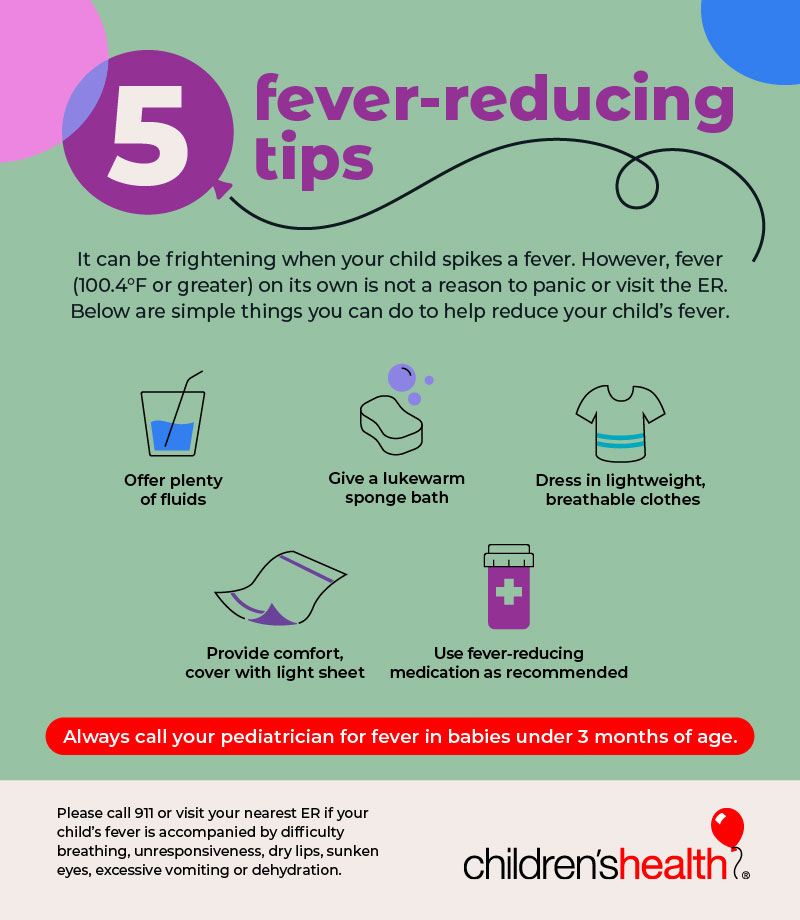
* Dress Them Right: Do not dress them in too many clothes. One light layer is usually enough. Too many clothes can trap heat and make the fever higher.
* Keep the Room Cool: Make sure the room is not too warm. A cool, but not cold, room is best. About 70-74°F (21-23°C) is often good.
* Offer Comfort: Give them extra hugs and cuddles. Read books together. Let them rest quietly. Being close to you helps them feel safe and loved.
* Change Wet Clothes: If they sweat, change their clothes so they do not get chilled.
* Use Light Blankets: A light sheet or blanket is usually enough.
Making them comfortable helps them rest. Rest is very important when their body is fighting sickness.
Keeping Them Full of Liquids
Fever can make toddlers lose water from their bodies faster. This can lead to dehydration. Hydration for toddler fever is super important. You need to make sure they drink often. Do not wait for them to say they are thirsty. Offer drinks all the time.
What can you offer?
* Water: Plain water is always a good choice.
* Milk: If they usually drink milk, keep offering it.
* Electrolyte Drinks: These are special drinks for kids. They help replace salts and sugars the body loses when sick. Brands like Pedialyte are good. Offer small sips often. These are helpful, especially if they are not eating or have been throwing up or have diarrhea.
* Juice: Small amounts of watered-down juice can be okay, but too much sugar can be hard on their tummy.
* Popsicles: These are a fun way to get liquids into them. Make sure they are made with juice or electrolyte fluid.
Do not give soda or drinks with lots of sugar. They can make dehydration worse or upset their stomach.
Signs of dehydration signs toddler fever include:
* Fewer wet diapers than usual. This is a key sign. If they go many hours without a wet diaper (e.g., 6-8 hours or more), this is a worry sign.
* Dry mouth and tongue.
* Crying with few or no tears.
* Sunken eyes.
* Less energy or very sleepy.
* Cool and pale skin.
If you see signs of dehydration, keep offering liquids. If signs do not get better or get worse, call the doctor. Hydration for toddler fever cannot be stressed enough.
Thinking About Medicine
Sometimes, you might decide to give medicine to lower the fever. These medicines are called fever reducers. They do not cure the sickness. They just help bring the temperature down and make your child feel better. This can help them rest and drink better.
There are two main types of fever reducer for toddlers you can use at home: Acetaminophen and Ibuprofen.
Acetaminophen (like Tylenol)
* You can give this every 4 hours.
* Do not give more than 5 times in 24 hours.
* It is safe for babies as young as a few months.
* It comes in liquid form for toddlers.
* Always use the dose written on the box or given by your doctor. The right Acetaminophen dosage for toddlers depends on their weight.
* Use the little cup or syringe that comes with the medicine to measure. Kitchen spoons are not exact.
Ibuprofen (like Advil or Motrin)
* You can give this every 6 to 8 hours.
* Do not give more than 4 times in 24 hours.
* It is for babies 6 months and older. Do not give Ibuprofen to babies younger than 6 months.
* It also comes in liquid form for toddlers.
* The right Ibuprofen dosage for toddlers depends on their weight, just like Acetaminophen.
* Use the right measuring tool that comes with the medicine.
Important Points About Medicine:
* Weight Matters Most: Always dose medicine based on your child’s weight, not their age. The package has a chart. If you do not know their weight or the dose, ask your doctor or a pharmacist.
* Do Not Use Both at the Same Time: Do not give Acetaminophen and Ibuprofen at the exact same moment. Some parents give them at different times (like Ibuprofen, then 3 hours later Acetaminophen, then 3 hours later Ibuprofen, and so on) to keep the fever down. This is sometimes called ‘alternating’. Only do this if your doctor tells you to. It can be confusing and lead to giving too much medicine. It is often better to just pick one type of medicine or use them as directed on the box.
* Do Not Give Medicine Just for a Number: If your toddler has a low fever but is playing and acting fine, you might not need to give medicine. Give medicine if the fever is high and your child is uncomfortable or feeling bad.
* Check Expiration Dates: Do not use medicine that is past its use-by date.
* Store Safely: Keep all medicine up high and away from children.
Here is a general guide for Acetaminophen and Ibuprofen dosage for toddlers. This is just a guide. Always check the box or ask your doctor.
| Weight (lbs) | Weight (kg) | Acetaminophen Dose (ml) (160mg/5ml) | Ibuprofen Dose (ml) (100mg/5ml) |
|---|---|---|---|
| 6-11 | 2.7-5 | Ask Doctor | Not Recommended < 6 months |
| 12-17 | 5.5-7.9 | 2.5 ml | Not Recommended < 6 months |
| 18-23 | 8.2-10.4 | 3.75 ml | 5 ml |
| 24-35 | 10.9-15.9 | 5 ml | 7.5 ml |
| 36-47 | 16.3-21.3 | 7.5 ml | 10 ml |
| 48-59 | 21.8-26.8 | 10 ml | 12.5 ml |
Remember: This table is a general guide. The medicine bottle or your doctor will have the most accurate dose for your child’s exact weight. Always use the included measuring tool.
Giving the right amount of medicine is key to helping your toddler feel better safely. Too little might not help. Too much can be dangerous.
Other Things You Can Try
Besides medicine and drinks, there are other natural ways to lower toddler fever or help them feel better.
- Sponge Bath: You can give your toddler a sponge bath. Use lukewarm water, not cold water. Cold water can make them shiver, which can raise their body heat. Gently wipe their skin with a wet cloth. The water on their skin helps cool them as it dries. Do not rub them dry right away. Let the air help cool them. A sponge bath for toddler fever can feel nice and help bring the temperature down a little bit. Stop if they start to shiver. Do not use alcohol rubs; they can be harmful.
- Rest: Make sure they get lots of rest. Do not push them to play or do normal activities. Resting helps their body heal.
- Offer Food if They Want It: Do not force them to eat. Offer small, easy-to-eat foods like soup, crackers, or fruit. Liquids are more important than food when they have a fever.
- Fresh Air: Make sure their room has fresh air. Open a window slightly if the weather is good. Do not let them get cold.
- Natural Ways to Lower Toddler Fever: Keeping them cool with light clothes, giving them lots to drink, and making sure they rest are the best natural ways. Some people use cool cloths on the forehead, but making the whole body comfortable is more helpful. Avoid old ideas like putting onions in socks; these do not work and can be harmful.
Combinining these steps can help comfort your toddler with fever.
When to Ask for Help
Most fevers in toddlers are not serious and get better with home care in a few days. But sometimes, a fever can be a sign of something that needs a doctor’s help. Knowing when to call doctor toddler fever is very important for keeping your child safe.
Call the doctor right away if:
* Your child is less than 3 months old and has a temperature of 100.4°F (38°C) or higher. Fever in very young babies needs to be checked by a doctor quickly.
* The fever is 104°F (40°C) or higher at any age.
* The fever lasts for more than 24 hours in a child younger than 2 years old.
* The fever lasts for more than 3 days (72 hours) in a child 2 years or older.
* Your child seems very sick. This feeling that something is just not right is important.
* Your child has signs of dehydration signs toddler fever that are getting worse (like very few wet diapers, very dry mouth, no tears when crying).
* Your child has a stiff neck.
* Your child has a bad headache.
* Your child has a rash that you cannot explain.
* Your child has trouble breathing.
* Your child is crying all the time and you cannot comfort them.
* Your child is very sleepy and hard to wake up.
* Your child has a seizure (called a febrile seizure). These can be scary, but are often harmless. Still, the doctor should check them.
* Your child has other health problems (like heart problems or problems with their body fighting sickness) and gets a fever.
You should also call the doctor if you have given medicine and the fever does not come down or comes right back up quickly. Always call if you are worried. It is always okay to ask your doctor questions. Knowing when to call doctor toddler fever gives you peace of mind.
Keeping Your Little One Cozy and Safe
Taking care of a sick toddler is tiring. Try to stay calm. Your child can feel if you are stressed. Focus on making them comfortable and keeping them hydrated. Monitoring toddler temperature helps you see what is happening, but watch your child, not just the number on the thermometer. A child with a fever of 102°F who is still playing a little might be less concerning than a child with a fever of 100.4°F who is very sleepy and not drinking.
Keep other family members healthy by washing hands often. Make sure your child rests away from other kids if possible to help stop the sickness from spreading.
When Fever Comes Back
Sometimes a fever goes away after giving medicine, but then comes back a few hours later. This is normal. Fever reducers wear off after a few hours. The sickness is still there, so the body keeps fighting. You can give another dose of medicine when it is time (follow the timing on the box). Keep giving drinks and offering comfort. The fever will usually stop coming back when the sickness is gone. If the fever keeps coming back for more days than is typical for their age (as mentioned in the ‘When to Ask for Help’ section), call your doctor.
Handling Different Kinds of Fever
Most fevers are caused by viruses, like cold or flu bugs. Antibiotics do not work on viruses. They only work on bacteria. So, giving antibiotics for a viral fever does not help and can sometimes cause problems. The doctor will tell you if your child needs medicine for bacteria. For viruses, home care is usually the main way to help.
Fever from shots is common. It usually starts a few hours after the shot and goes away in a day or two. You can give Acetaminophen or Ibuprofen if your doctor says it is okay and your child seems uncomfortable. Check with the doctor or nurse at the shot visit if you can give medicine beforehand or afterwards.
Staying Well in the Long Run
Helping your child stay healthy in general can help them fight off sicknesses better.
* Healthy Food: Offer lots of fruits, veggies, and whole grains.
* Enough Sleep: Toddlers need lots of sleep. Stick to a good sleep schedule.
* Hand Washing: Wash hands often with soap and water. This is one of the best ways to stop germs. Teach your toddler to wash their hands well.
* Staying Away from Sick People: Try to keep your toddler away from others who are sick when possible.
* Getting Shots: Make sure your toddler gets all their shots on time. Shots help protect them from many serious sicknesses that can cause high fevers and other problems.
Frequently Asked Questions
Here are some common questions parents ask about toddler fever.
Q: Is a high fever always bad?
A: Not always. The height of the fever does not always show how sick your child is. A child with a high fever might still be active, while a child with a lower fever might be very tired. Watch how your child acts more than just the number. But very high fevers (104°F or higher) do need a check from the doctor.
Q: Can fever cause brain damage?
A: No, not usually. Fevers from sickness rarely go high enough to cause brain damage. The body has ways to keep the temperature from going too high. The danger of brain damage from heat comes from being in a very hot place, like locked in a hot car. This is different from a fever caused by sickness.
Q: What is a febrile seizure?
A: A febrile seizure is a shake or fit that happens in some children when their temperature goes up quickly. They usually happen between 6 months and 5 years old. They can be very scary to watch, but they are usually short (just a few minutes) and do not cause long-term problems. If your child has a febrile seizure, stay calm, put them on their side on the floor, and do not put anything in their mouth. Call 911 or take them to the emergency room to be checked afterwards.
Q: Should I wake my child up to give fever medicine?
A: No, usually not. Sleep is very important for healing. If your child is sleeping peacefully, let them sleep. You can give medicine when they wake up if they still have a fever and seem uncomfortable.
Q: How long does a toddler fever usually last?
A: Most fevers from common viruses last about 1 to 3 days. If a fever lasts longer, or your child has other bad signs, call the doctor.
Q: Can I use a sponge bath instead of medicine?
A: A sponge bath can help bring the temperature down a little and make your child feel better for a short time. It can be used along with medicine or if you prefer not to use medicine (and the fever is not dangerously high). But medicine is often more effective at lowering the temperature for a longer time. Never use cold water or alcohol.
Q: My toddler doesn’t want to drink. What can I do?
A: Offer small amounts very often. Try different things: water, milk, electrolyte drinks, popsicles. Use fun cups or straws. Sometimes children will take liquids from a spoon or syringe if they won’t drink from a cup. If they still won’t drink and you see signs of dehydration, call the doctor. Hydration for toddler fever is key.
Q: Should I give my toddler food if they have a fever?
A: Only if they want it. Liquids are much more important than food when they have a fever. Offer bland, easy foods, but do not force them to eat.
Taking care of a toddler with a fever can be hard work. Remember to take care of yourself too. Get rest when you can. If you are ever unsure about what to do, calling your child’s doctor or nurse is always the right choice. You are doing a great job by caring for your little one.