
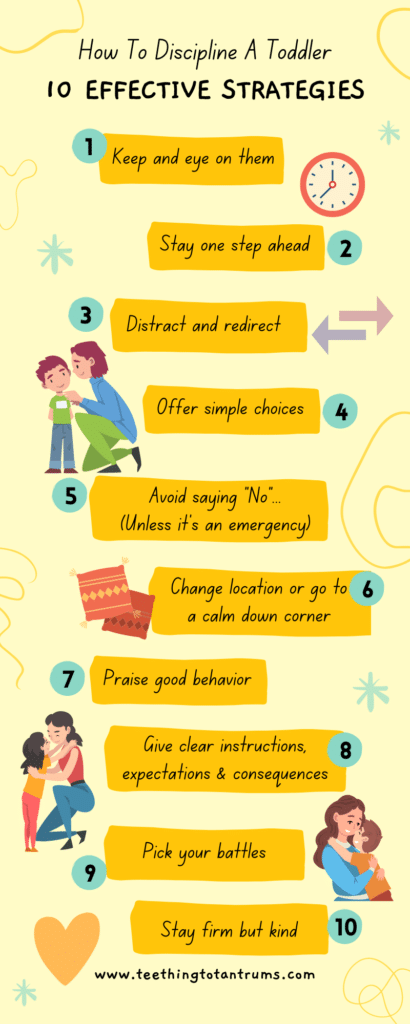
Image Source: www.teethingtotantrums.com
Mastering How To Discipline A Toddler With Love
Disciplining a toddler can feel like a big challenge. How do you guide their actions without being too strict? It’s about teaching, not just stopping bad behavior. You can help your child learn right from wrong using love and kindness. This way, you build a strong bond and help them grow into happy, well-behaved kids. This guide will show you how to discipline a toddler with love, focusing on gentle, effective ways that help them learn and feel safe.
Embracing Gentle Discipline Techniques
Gentle discipline is about teaching. It helps kids learn how to act. It guides them to make good choices. It focuses on why a child might be acting out. It also teaches them how to fix things. This is much better than just punishing them. It builds a strong link between you and your child. It makes them feel safe. This helps them learn to manage their feelings. It also helps them learn how to act in the world.
Why Gentle Discipline Works Best
Toddlers are tiny people. Their brains are growing fast. They do not think like adults. They act on feelings. They do not always know what is right. They learn through play. They learn through how you act. Gentle discipline meets them where they are. It teaches them what to do. It does not just tell them what not to do.
- It Builds Trust: When you are kind, your child trusts you. They feel safe to make mistakes. They know you will help them.
- It Teaches Life Skills: They learn about feelings. They learn how to solve problems. They learn how to get along with others.
- It Helps Brain Growth: Gentle discipline helps their brain grow in good ways. It helps them learn to control their own actions later.
- It Stops Power Struggles: When you are kind, there are fewer fights. Your child wants to work with you, not against you.
- It Lasts Longer: Lessons learned with kindness stick. They learn to be kind to others too.
Key Principles of Gentle Discipline
Gentle discipline has clear rules. It has clear aims. It is always about teaching. It is always about love.
| Principle | What It Means for Toddlers |
|---|---|
| Empathy | See things from their view. Acknowledge their feelings. |
| Connection | Stay close, even when they act out. Hug them. Listen. |
| Teaching | Show them the right way. Explain things simply. |
| Limits | Set clear rules. Be firm, but kind. |
| Patience | Learning takes time. They will not get it right away. |
| Consistency | Do the same thing every time. Rules must be clear. |
| Respect | Treat them with dignity. Value their feelings. |
This approach helps parents focus on teaching. It helps them guide their child. It makes discipline a chance to learn. It makes it a chance to grow together.
Positive Parenting Strategies in Action
Positive parenting strategies are the core of gentle discipline. They mean you focus on the good. You praise good actions. You teach good ways to act. This helps your child want to do well. They learn what works. They learn what makes you happy.
Praising Good Choices
Catch your child doing something good. Tell them what they did right. Be specific.
* Instead of “Good job!” try “You shared your toy! That was very kind.”
* “You used your words instead of yelling. I like that.”
* “You put your blocks away. Thank you for helping!”
This helps them know what good behavior looks like. It makes them want to do it again.
Using Encouragement, Not Just Praise
Praise often focuses on the outcome. Encouragement focuses on the effort.
* “You worked so hard to build that tower!”
* “I see you kept trying even when it was hard.”
* “You are learning to use the potty all by yourself.”
This builds their inner drive. They learn to feel good about trying. They learn to feel good about growing.
Offering Choices (When Possible)
Giving choices helps toddlers feel in control. This cuts down on power struggles. Offer two good choices.
* “Do you want to wear the red shirt or the blue shirt?”
* “Do you want to eat your carrots first or your peas first?”
* “Do you want to read a book or sing a song before bed?”
This gives them a say. It makes them more likely to agree.
Setting Boundaries for Toddlers Effectively
Setting boundaries for toddlers is very important. It gives them a safe world. It shows them what is okay and what is not. Clear rules help them feel secure. They know what to expect. This reduces stress for everyone.
Making Rules Simple and Clear
Toddlers need simple rules. Use few words. Make them easy to grasp.
* “Hands are for gentle touches.” (Instead of “Don’t hit.”)
* “We walk inside.” (Instead of “No running.”)
* “Toys stay in the playroom.” (Instead of “Don’t take toys out of the room.”)
Repeat rules often. Show them what you mean.
Being Consistent with Boundaries
Consistency is key. If you say “no” one day, say “no” the next. If the rule changes, your child gets confused. They might push the limits more. Every caregiver must follow the same rules.
* If biting is not allowed, it is never allowed.
* If screen time is limited, it is always limited.
* If they need to clean up, they always need to clean up.
Why Boundaries Help Them Thrive
Boundaries help toddlers in many ways:
* They Learn Self-Control: They learn to stop themselves from doing certain things.
* They Feel Safe: Clear limits make their world feel predictable and safe.
* They Learn Respect: They learn to respect rules and other people.
* They Understand Consequences: They learn that actions have results.
* They Grow Independence: Knowing the limits helps them explore freely within those limits.
Effective Toddler Discipline Methods
There are many effective toddler discipline methods that work well with love. These methods teach and guide. They do not hurt or shame. They help toddlers learn how to manage their big feelings. They help them learn how to act in the world.
Redirection: Changing Their Focus
Redirection is a powerful tool. When a toddler is doing something you don’t like, change their focus. Offer a different, more fitting activity.
* If they are drawing on the wall, say, “Walls are not for drawing. Let’s draw on this paper here.” Then quickly give them paper and crayons.
* If they are hitting a toy car on the table, say, “Let’s roll the car on the floor. See how it rolls?”
* If they are splashing water out of the bath, say, “Let’s make the ducks swim quietly now.”
This works because toddlers have short attention spans. It stops bad behavior without big drama.
Time-Ins: Connecting and Calming
Instead of a “time-out” which can feel like punishment, use a “time-in.” This means you stay with your child. You help them calm down. You help them talk about their feelings.
* When they are upset, take them to a quiet spot. Sit with them.
* Say, “I see you are feeling very angry right now. It’s okay to be angry.”
* “Let’s take some deep breaths together.”
* “When you are calm, we can talk about what happened.”
This teaches them to manage big feelings. It also shows them you are there for them, no matter what.
Natural and Logical Consequences
Consequences for defiant toddlers should be linked to their actions. They should be clear and fair.
* Natural consequences: These happen on their own. If your child refuses to eat, they will be hungry later. (Don’t offer snacks right away.)
* If they throw a toy, the toy might break.
* If they don’t wear their coat, they might feel cold.
* Logical consequences: You set these up. They make sense for the behavior.
* If they draw on the table, they help wipe it clean.
* If they throw food, their meal is over.
* If they don’t put toys away, the toys get put away for a while.
Consequences teach cause and effect. They help your child learn from their actions. They should always be done calmly. They should never be about shame or anger.
Child Tantrum Solutions: Navigating the Storm
Child tantrum solutions are vital for any parent. Toddlers have big feelings. They do not have big words to match. Tantrums are normal. They are how toddlers show frustration, anger, or sadness. Your job is to stay calm and guide them through it.
Staying Calm Yourself
This is the hardest part. When your child screams, it is easy to get upset too. But if you stay calm, they are more likely to calm down.
* Take deep breaths.
* Remind yourself it’s not personal.
* Remember they are small and learning.
* Do not yell. Do not give in just to stop the noise.
Acknowledging Their Feelings
Say what you see. Use simple words.
* “You are mad that you can’t have another cookie.”
* “You are sad your toy broke.”
* “You feel frustrated because the tower fell down.”
Naming their feelings helps them feel heard. It helps them learn about their own emotions.
Waiting It Out (Safely)
Sometimes, the best thing to do is be there. Let them get their feelings out. Stay close. Make sure they are safe.
* If they are hitting or kicking, gently hold them close. Say, “I will keep you safe.”
* Do not try to reason with them during a tantrum. Their brain cannot hear you.
* Just be a calm, loving presence.
Offering Comfort After the Storm
Once the tantrum stops, offer comfort. A hug, a gentle touch, or soft words.
* “You had some big feelings. Are you feeling better now?”
* “It’s okay to be sad sometimes.”
* “Let’s have a cuddle.”
This teaches them that you are there for them, even when things are tough. It helps them feel secure.
Age-Appropriate Discipline: What to Expect
Age-appropriate discipline means you adjust your ways to your child’s age. What works for a 1-year-old is different from a 3-year-old. Each stage has its own challenges and chances for growth.
12-18 Months: The Explorer Phase
At this age, kids explore everything. Discipline is mostly about safety and redirection.
* Focus: Keep them safe. Distract from danger.
* Methods: Remove unsafe items. Say “no” firmly but gently. Redirection.
* Language: Very simple words. “No touch,” “Hot,” “Gentle.”
* Patience: They do not get rules quickly. Repeat often.
18-24 Months: The “No” Phase
Toddlers start saying “no.” They want to be independent. This is normal.
* Focus: Setting clear, simple rules. Giving limited choices.
* Methods: Consistent boundaries. Redirection. Start simple consequences.
* Language: Short sentences. “We walk inside.” “This is safe.”
* Tantrums: Expect more. Use time-ins. Acknowledge feelings.
2-3 Years Old: The Assertive Phase
They have more words. They test limits. They want to do things themselves.
* Focus: Teaching problem-solving. Building self-control.
* Methods: Logical consequences. Time-ins. Role-playing good behavior.
* Language: Explain “why” in simple terms. “We share so everyone gets a turn.”
* Patience: Lots of testing. Stay calm. Be firm but kind.
3-4 Years Old: The Social Learner Phase
They start to understand others’ feelings better. They play more with peers.
* Focus: Social skills. Empathy. Independent problem-solving.
* Methods: Discussion. Helping them fix mistakes. More complex consequences.
* Language: Talk about feelings. “How do you think he felt when you took his toy?”
* Role-playing: Practice good ways to share or wait for turns.
Managing Toddler Misbehavior with Proactive Steps
Managing toddler misbehavior is not just about reacting. It is also about acting before problems start. This means planning. It means looking ahead. It means setting up your home and day for success.
Setting Up for Success (Environment)
Make your home safe and easy for a toddler.
* Put unsafe items out of reach. Use childproof locks.
* Have clear places for toys. Make clean-up easy.
* Create a calm space for quiet time.
* Have plenty of engaging toys and activities. This stops boredom, a common cause of mischief.
Creating Predictable Routines
Toddlers thrive on routine. They feel safe when they know what comes next.
* Have set times for meals, naps, and bedtime.
* Tell them about changes in routine before they happen. “After this snack, we will go to the park.”
* Use visual schedules (pictures) for young toddlers.
Predictable routines reduce anxiety. This means fewer meltdowns.
Ensuring Adequate Sleep and Food
Lack of sleep and hunger are big reasons for bad behavior.
* Make sure they get enough sleep for their age. (About 11-14 hours for toddlers).
* Offer healthy, regular meals and snacks.
* Avoid too much sugar or artificial colors. These can make some kids more active or fussy.
Providing Plenty of Attention (Positive)
Toddlers crave attention. If they do not get it for good behavior, they will get it for bad.
* Spend special one-on-one time every day. Even 10 minutes can help.
* Engage with them when they are playing nicely.
* Comment on good things they are doing. “I love how you are stacking those rings.”
This fills their “attention bucket” in a good way.
Consequences for Defiant Toddlers: Teaching, Not Punishing
When a toddler is defiant, it can be frustrating. But this is a chance to teach. Consequences for defiant toddlers should be about learning. They should not be about pain or fear. They should be clear, fair, and linked to the misbehavior.
The “When-Then” Approach
This is a great way to set limits. It tells them what will happen if they do something first.
* “When you put your shoes on, then we can go to the park.”
* “When you finish your dinner, then you can have a story.”
* “When you clean up these blocks, then we can play with the cars.”
This helps them understand the order of things. It gives them control over the outcome.
The Power of “No” and Follow-Through
When you say “no,” mean it. And follow through.
* If you say, “No running in the house,” and they run, gently lead them back to walking. “Remember, we walk inside.”
* If you say, “No hitting,” and they hit, calmly say, “Hands are for gentle touches,” and gently remove their hand. Then focus on the person or object that was hit.
Do not just warn them. Act on the rule.
Reparation: Fixing Mistakes
Teach your child to make things right. This builds responsibility.
* If they knock something over, they help pick it up.
* If they draw on the wall, they help you wipe it off.
* If they make a friend sad, they can offer a hug or say sorry (with your help).
This teaches empathy. It teaches them that they can mend things.
Early Childhood Discipline Tips for Long-Term Success
Early childhood discipline tips are about building a strong base. This base helps your child grow into a kind, responsible person. These tips focus on long-term growth, not just stopping bad behavior right now.
Modeling Good Behavior
Your child learns by watching you. Be the person you want them to be.
* Use your words to express feelings.
* Be kind to others.
* Share.
* Say “please” and “thank you.”
* Manage your own big feelings calmly.
Your actions speak louder than words.
Teaching Emotional Literacy
Help your child name their feelings. This helps them manage emotions.
* “You look angry. Are you feeling mad?”
* “It’s okay to feel sad when you miss mommy.”
* Read books about feelings.
* Draw faces showing different emotions.
This gives them words for what they feel. It makes tantrums less likely over time.
Focusing on Solutions, Not Just Problems
When a problem comes up, work with your child to find a solution.
* “The blocks keep falling down. What can we do differently?”
* “You want the toy your friend has. How can we get a turn?”
* “You are mad you have to clean up. What would make it easier?”
This teaches them problem-solving skills. It gives them a voice.
A Note on Time-Outs vs. Time-Ins
The term “time-out” often means isolation. For toddlers, this can be scary. It can also make them feel rejected. “Time-in” is a gentler way to help a child calm down. It keeps the connection.
| Feature | Time-Out | Time-In |
|---|---|---|
| Purpose | Punishment, remove from stimulation. | Connection, co-regulation, teaching self-calming. |
| Location | Separate space (e.g., corner, chair). | With a caring adult in a quiet, safe space. |
| Outcome | Child may feel isolated, shamed, misunderstood. | Child feels supported, learns to manage emotions, feels safe. |
| Parent Role | Enforcer, timer keeper. | Coach, comforter, guide. |
| Toddler Age | Often not recommended for under 3 years old. | Ideal for all toddler ages. |
For toddlers, the goal is to teach, not to make them feel bad. Time-ins do this better.
When to Seek Extra Help
Most toddler behaviors are normal. But sometimes, extra help is good.
* Very Frequent or Intense Tantrums: If tantrums last a very long time. If they happen many times a day.
* Harmful Behaviors: If your child hurts themselves often. If they hurt others often. If they destroy property.
* Disrupting Daily Life: If their behavior makes it hard to go to school or daycare. If it makes family life very hard.
* Parental Stress: If you feel overwhelmed or lost.
* Regression: If a child suddenly stops doing things they could do before (like potty training).
Talk to your child’s doctor first. They can offer advice. They can send you to a child therapist or child behavior expert. It is okay to ask for help. It shows you want the best for your child.
Frequently Asked Questions (FAQ)
Q1: How do I stop my toddler from hitting or biting?
A1: Respond quickly. Say “no hitting/biting” firmly. Move your child away. Use gentle words like, “Hands are for gentle touches” or “Teeth are for eating.” Then, check on the person who was hurt. Show empathy to the hurt person. Guide your child to say sorry or offer a hug (if they are ready). If biting is a common issue, check for teething pain. Make sure they are not tired or hungry. Provide chew toys.
Q2: My toddler ignores me. What should I do?
A2: Get down to their level. Make eye contact. Touch their arm gently. Use their name. Speak in short, clear sentences. Instead of “Can you please put on your shoes?”, say “Shoes on, please.” Offer choices if possible. If they still ignore, use natural or logical consequences. For example, “If shoes are not on, we cannot go to the park.” Then follow through.
Q3: How do I handle a toddler who won’t share?
A3: Sharing is a big concept for toddlers. It takes time. Do not force it. Instead, model sharing. Use words like “my turn” and “your turn.” Use a timer for turns. “You can play with it for two minutes, then it’s [friend’s name]’s turn.” Praise any small effort to share. Set up play areas with enough toys so kids do not always have to share the same thing.
Q4: Is it okay to use time-out for a toddler?
A4: For toddlers, a “time-in” is usually better. A time-out can feel like being sent away or punished for big feelings. A time-in means you stay with your child in a calm spot. You help them calm down. You talk about their feelings after they are calm. This keeps your connection strong and teaches them to manage their emotions. If you use a time-out, make it very short (1 minute per year of age) and focus on calming down, not just punishment.
Q5: What if gentle discipline doesn’t seem to work?
A5: First, check consistency. Are all caregivers using the same methods? Are you being consistent every time? Second, check your child’s needs. Are they hungry, tired, or overstimulated? Address those first. Third, make sure the “consequence” is truly related and logical. If issues continue, it might mean your child needs more support. Talk to your child’s doctor or a child development expert. They can offer new ideas or check for other needs.
Mastering how to discipline a toddler with love is a journey. It takes patience. It takes consistency. It means you guide them. It means you teach them. It means you stay connected through it all. By using positive parenting strategies, gentle discipline techniques, and age-appropriate methods, you help your child grow into a happy, confident, and kind person. You build a strong, loving bond that will last a lifetime.