
Many parents wonder, “How to get a toddler to stop grinding teeth?” It is a common worry. Often, bruxism in toddlers is harmless. It can happen as teeth grow. But sometimes, it needs a closer look. This guide will help you grasp why toddlers grind their teeth and what to do.
Image Source: lh5.googleusercontent.com
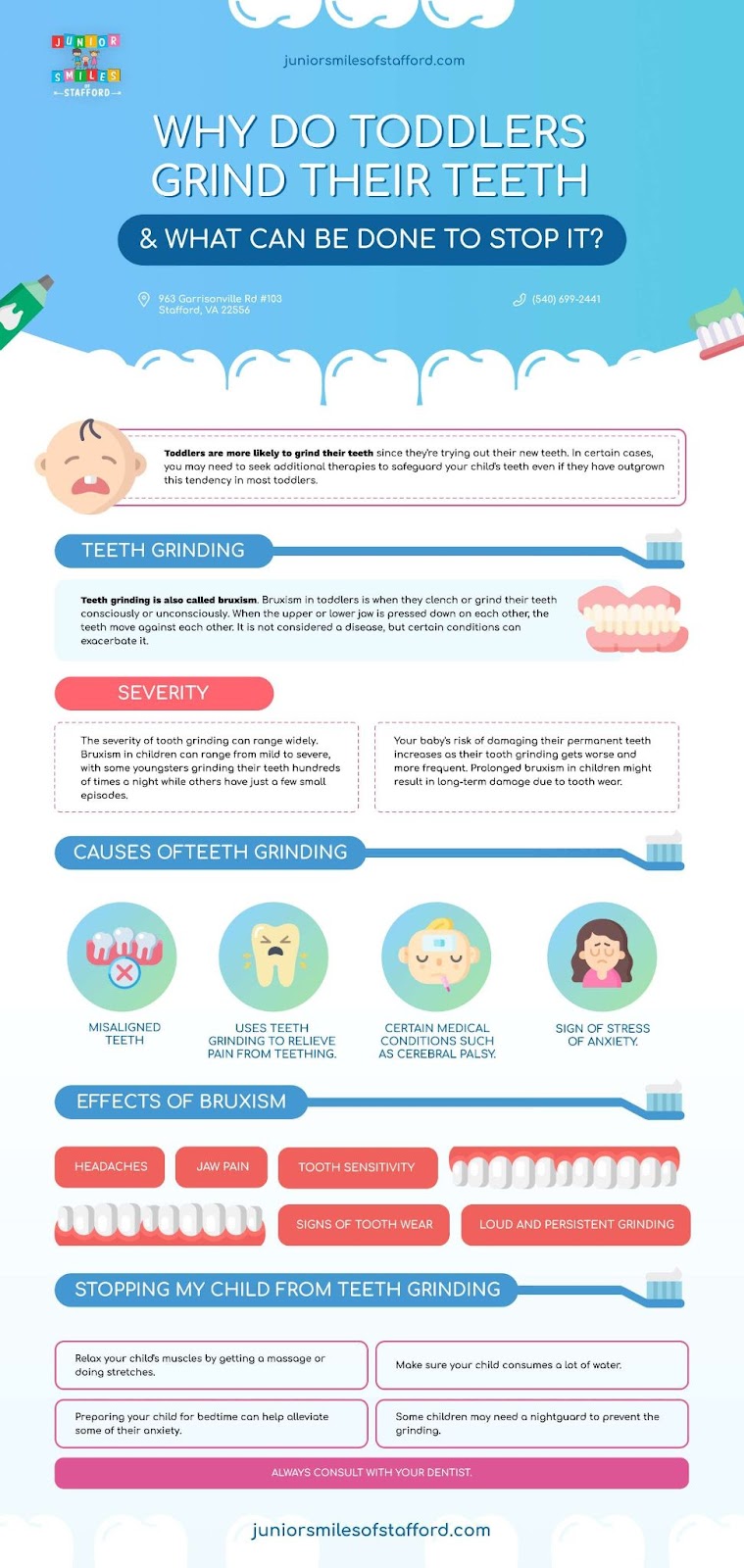
Deciphering Toddler Teeth Grinding
Toddler teeth grinding is also known as bruxism. This is a medical term. It means clenching or grinding teeth. Your child might do this during the day. Or they might do it at night. When it happens at night, it is called sleep bruxism in young children. You might hear a harsh sound. It can be loud enough to wake you. Seeing your child do this can be alarming. Yet, it is quite common in young children.
Kids often grind their teeth while sleeping. They may not even know they are doing it. It can happen when their teeth are still coming in. It can also happen when they are stressed. Or when they are unwell. For most toddlers, bruxism is a phase. It usually stops on its own. It often goes away by age six. This is when permanent teeth start to come in. But it is good to know the causes. It is also good to know when to seek help.
What Does It Look Like?
- Sounds: You might hear a harsh, squeaking, or rubbing sound. This often happens while your child sleeps.
- Movement: Your child might clench their jaw tightly. Their cheek muscles might look tense.
- During the Day: Some children grind their teeth when they are awake. They might do it when focusing. Or when feeling upset.
Knowing these signs is the first step. It helps you decide what to do next.
Exploring the Roots of Toddler Bruxism
Many parents ask, “Why toddlers grind teeth?” It is a good question. There are many causes of toddler bruxism. It is often not just one thing. It can be a mix of factors. Let’s look at the main reasons.
Teething and New Teeth
This is a very common reason. When babies or toddlers are teething, their gums hurt. Grinding their teeth can feel like a way to ease the pain. It can feel like pressure. New teeth pushing through can be uncomfortable. This often happens with first molars. These teeth come in around 12 to 18 months. Later, the second molars appear. They come in around 2 to 3 years. These are big teeth. They can cause more grinding.
Jaw Alignment Issues
Sometimes, a child’s upper and lower teeth do not meet well. This is called malocclusion. If the bite is off, a child might grind. They try to find a comfortable spot. Their jaw tries to align itself. This can lead to grinding. A dentist can check for this. They can see if the teeth fit together properly.
Stress or Anxiety
Children can feel stress too. It might be stress from starting daycare. Or a new sibling. Or changes at home. Even a small upset can make a toddler stressed. Grinding teeth can be a way they cope. It is a way to release tension. This can be a sign they need more comfort. Or more quiet time.
Earaches or Other Pains
An earache can be very painful. A child might grind their teeth because of it. They might try to relieve the pain. The jaw muscles are near the ear. So, moving the jaw can feel like it helps. Other pains can also cause grinding. It could be a toothache. Or a headache. Check for other signs of pain.
Sleep Disorders
Some sleep problems can cause grinding. Sleep bruxism in young children can link to issues like sleep apnea. Sleep apnea means a child stops breathing for short times during sleep. This can make them gasp. Or snore loudly. Grinding might be a reflex. It can help open the airway. If your child snores a lot, talk to your doctor.
Dietary Factors
What a child eats or drinks can also play a role. Some studies link bruxism to certain diets. For example, some say not enough water can be a factor. Or that a diet high in sugar can be an issue. But more research is needed on this. Still, a healthy diet is always good.
Allergies
Nasal allergies can cause a stuffy nose. A child might breathe through their mouth more. This can change jaw position. It can lead to grinding. If your child has constant allergies, talk to your doctor. Treating allergies might help with grinding.
Growth and Development
A child’s jaw and teeth are always changing. They grow very fast. This growth can cause some discomfort. Grinding might just be part of this process. It is the body adapting. It is a normal part of growing up for many kids.
Pain Relief
If a child has a tooth coming in, it hurts. Grinding can feel like a simple way to massage the gums. It can feel like a counter-pressure. This can make the pain feel a bit better.
Habit
Sometimes, grinding teeth is just a habit. Like thumb-sucking. Or nail-biting. It might start for a reason. Then, the child keeps doing it. They might not even notice it. It becomes a common action for them.
Here is a quick look at common causes:
| Cause | Description | What to Look For |
|---|---|---|
| Teething/New Teeth | Gums hurt as teeth push through. | Child puts hands in mouth, drools, cranky. |
| Jaw Alignment | Upper and lower teeth don’t fit perfectly. | Dentist can spot this. |
| Stress/Anxiety | Child feels worried or upset. | Changes in behavior, new routines, bedtime fears. |
| Earaches/Pain | Discomfort in ears or teeth. | Pulling at ears, fever, fussiness, complaints of pain. |
| Sleep Issues | Poor sleep, snoring, restless sleep. | Loud snoring, pauses in breathing, very tired during day. |
| Allergies | Stuffy nose, constant sniffles. | Mouth breathing, dark circles under eyes, frequent colds. |
| Habit | Child does it without thinking. | Often seen at certain times, like when tired or focused. |
Grasping Dental Concerns and Warning Signs
Most of the time, toddler teeth grinding at night is harmless. It often does not cause lasting damage. But sometimes, it can. You should be aware of dental concerns toddler teeth grinding can cause. Knowing these signs helps you know when to act.
When to Be Concerned
- Worn-Down Teeth: Look at the chewing surfaces of your child’s teeth. Do they look flat? Or very smooth? This can mean they are wearing down.
- Tooth Sensitivity: Your child might complain about cold or hot foods. They might pull away from brushing. This could mean teeth are sensitive. Worn enamel exposes inner tooth layers.
- Jaw Pain or Soreness: Your child might rub their jaw. They might say their jaw hurts. Especially in the morning.
- Headaches: Frequent headaches, especially in the morning, can be a sign. Grinding can strain jaw muscles. This can lead to headaches.
- Cracked or Chipped Teeth: Severe grinding can crack or chip teeth. This is not common in primary teeth. But it can happen.
- Facial Pain: Muscles around the jaw can get sore. Your child might touch their face. Or seem uncomfortable.
- Trouble Eating: If eating hard foods becomes painful, grinding might be the cause.
If you see these signs, it is time to talk to a dentist. A pediatric dentist knows how to help. They can check your child’s teeth and jaw. They can tell if the grinding is causing damage.
Why Early Action Matters
Even baby teeth are important. They hold space for adult teeth. They help with speech. They help with eating. Damaged baby teeth can lead to problems later. Fixing issues now can prevent bigger ones. It can also help stop the habit. Managing toddler teeth grinding early is key.
Actionable Toddler Gritting Teeth Solutions
If you notice your child grinding their teeth, you can do many things. These remedies for child teeth grinding can help. They focus on comfort. They focus on reducing stress. And sometimes, dental care is needed. Let’s look at ways to stop toddler teeth clenching.
Non-Dental Approaches
These are things you can try at home first. They focus on the child’s daily life.
-
Reduce Stress and Anxiety:
- Quiet Time Before Bed: Create a calming bedtime routine. Read a book. Give a warm bath. Play soft music. Avoid exciting games near bedtime. Avoid screen time for an hour before bed.
- Talk About Feelings: Help your child talk about their day. Even if they are too young to use many words, just listening helps. Ask about their friends. Ask about school. Let them know you are there.
- Comfort and Reassurance: If your child is worried, give extra hugs. Tell them they are safe. A calm home helps a child feel safe.
-
Comfort for Teething Pain:
- Cold Compress: Offer a cold washcloth. Or a chilled teething toy. This can numb the gums.
- Gum Massage: Gently rub your child’s gums with a clean finger.
- Pain Relievers: If needed, use over-the-counter pain medicine. Like infant ibuprofen or acetaminophen. Always follow dose directions.
- Chew Toys: Give safe chew toys. These can give pressure. This can help ease discomfort.
-
Warm Compress on the Jaw:
- Before bed, place a warm, damp cloth on your child’s jaw. Do this for a few minutes. It can relax the jaw muscles. This might help reduce clenching.
-
Ensure Proper Hydration:
- Make sure your child drinks enough water. Dehydration can sometimes be a factor. A well-hydrated body works better. Offer water throughout the day.
-
Diet Considerations:
- Limit sugary drinks and foods. These can sometimes make children more restless.
- Ensure a balanced diet. A healthy diet supports overall health. It supports strong teeth too.
-
Address Underlying Issues:
- Earaches/Allergies: If you suspect an earache or allergies, see your pediatrician. Treating these issues can stop grinding.
- Sleep Apnea: If your child snores loudly or seems to stop breathing during sleep, see a doctor right away. This needs medical attention.
-
Create a Peaceful Sleep Environment:
- Dark and Quiet Room: Make the bedroom dark and quiet. Use blackout curtains. Use a white noise machine if needed.
- Comfortable Temperature: Keep the room cool and comfy.
- Consistent Sleep Schedule: Put your child to bed at the same time every night. Wake them up at the same time. This helps set their body clock.
Dental Approaches and Professional Help
Sometimes, home remedies are not enough. This is when a dentist can help.
-
Pediatric Dentist Visit:
- This is crucial. A pediatric dentist specializes in children’s oral health. They can check your child’s bite. They can look for wear on teeth. They can see if grinding is causing damage.
- They might suggest certain exercises. Or ways to change habits.
-
Nightguards (Rare for Toddlers):
- For adults, nightguards are common. They protect teeth from grinding. But for toddlers, they are very rare. Toddlers’ mouths grow fast. A nightguard would need constant replacing. Also, young children might not keep them in. Or they could be a choking risk.
- A dentist will almost never suggest a nightguard for a toddler. If they do, they must explain why. And how it will be safe.
-
Jaw Exercises (Simple Ones):
- A dentist might show you simple jaw stretches. These can help relax the jaw muscles. They are usually very gentle. They are done during the day.
- For example, gently massaging the jaw. Or making funny faces.
-
Monitoring:
- Your dentist might just suggest watching your child. They might ask you to note when the grinding happens. And how often. This helps them track if it gets better or worse. Regular check-ups are key.
Navigating Sleep Bruxism in Young Children
Toddler teeth grinding at night is perhaps the most common type. It can be startling to hear. It can also disrupt sleep. Both for the child and the parents. Managing toddler teeth grinding during sleep needs specific focus.
Establishing a Bedtime Routine
A consistent bedtime routine helps signal to the body that it’s time to wind down. This can reduce stress. It can help the child sleep better. Better sleep can reduce grinding.
- Fixed Schedule: Go to bed and wake up at the same time every day. Even on weekends.
- Calming Activities: An hour before bed, switch to quiet play. Read stories. Listen to gentle music. Avoid TV or tablets. The light from screens can make it hard to sleep.
- Warm Bath: A warm bath can relax muscles. It helps prepare the body for sleep.
- Comfort Items: A favorite blanket or toy can give comfort. This can reduce anxiety.
Optimizing the Sleep Environment
The bedroom should be a peaceful place.
- Darkness: Make the room as dark as possible. Use blackout curtains.
- Quiet: Reduce noise. Use a white noise machine if outside sounds are an issue.
- Comfortable Temperature: Keep the room cool. Around 68-72°F (20-22°C) is often ideal.
- Safe Sleep Space: Ensure the crib or bed is safe and free of hazards.
Monitoring Sleep Patterns
Pay attention to how your child sleeps.
- Listen for Sounds: Note how often you hear grinding. Is it every night? Just some nights?
- Watch for Breathing: Observe if your child snores loudly. Or if they seem to gasp. These could be signs of sleep apnea.
- Daytime Tiredness: Is your child very tired during the day? Do they nap more than usual? Poor sleep quality can lead to daytime fatigue.
When to Seek Professional Help for Sleep Issues
If you suspect a sleep problem, do not wait. Talk to your pediatrician. They might suggest a sleep study. This is a special test. It checks how a child sleeps. It can find problems like sleep apnea. Treating sleep issues can often stop grinding.
Collaborating with Your Pediatric Dentist
Your pediatric dentist is your best partner. They know a lot about bruxism in toddlers. They can help you with managing toddler teeth grinding.
Importance of Regular Check-Ups
Take your child to the dentist regularly. Start early. A dentist can spot issues before they get big.
- First Visit: Take your child to the dentist by their first birthday. Or when their first tooth comes in.
- Routine Visits: Follow your dentist’s advice for check-up frequency. Usually, it’s every six months.
What the Dentist Looks For
During a visit, the dentist will:
- Check Teeth for Wear: They will look closely at the chewing surfaces. They check for flatness or chips.
- Assess Jaw Alignment: They will see how your child’s upper and lower teeth meet. They check for any bite problems.
- Examine Jaw Muscles: They might feel the jaw muscles. They check for soreness or tension.
- Ask Questions: They will ask you about your child’s sleep. And about their stress levels. And if you hear grinding.
Treatment Options (Very Rare for Toddlers)
For toddlers, treatment for bruxism is usually non-invasive.
- Observation: Most often, the dentist will advise watching the child. They will re-check at the next visit.
- Addressing Underlying Causes: If they find a clear cause, like a specific bite issue, they might suggest steps. But this is uncommon for baby teeth. They might suggest seeing an orthodontist later.
- No Mouthguards: As mentioned, mouthguards are almost never used for toddlers.
Monitoring Strategies
Your dentist might give you a chart. You can track when your child grinds. This helps both of you see patterns. It helps judge if things are getting better.
Future Prospects for Toddlers with Bruxism
Many parents wonder, “Will this go away?” Or, “Will it harm their adult teeth?”
Does It Go Away?
For most children, toddler bruxism does go away. It often stops when the baby teeth fall out. It often stops when the adult teeth come in. This happens around age 6 to 12. The jaw changes as new teeth come in. This can solve alignment issues. So, the grinding stops.
Potential Impacts on Adult Teeth
If grinding is severe and lasts long, it can affect adult teeth. But this is not common. If a child grinds their baby teeth down, it might mean more grinding later. But most children stop. If the grinding continues into older childhood, a dentist will keep a close eye. They might suggest a nightguard then. For most toddlers, there are no lasting issues. Their new adult teeth grow in healthy.
Proactive Steps to Prevent Bruxism
While you cannot always prevent bruxism, some healthy habits can help. These can also help with overall well-being.
- Good Oral Hygiene: Brush your child’s teeth twice a day. This keeps their mouth healthy. A healthy mouth is less likely to have issues.
- Regular Dental Check-ups: These are key. Your dentist can spot problems early. They can offer advice.
- Stress Management: Help your child cope with stress. Ensure a loving, calm home. Give them comfort.
- Healthy Lifestyle: A balanced diet, enough sleep, and play time are important. A healthy child is less likely to have issues.
- Address Any Pain: If your child has an earache or tooth pain, treat it quickly. This might prevent grinding.
Frequently Asked Questions (FAQ)
Q1: Is toddler teeth grinding normal?
A1: Yes, it is very common. About 2 to 3 out of every 10 children grind their teeth. It often goes away on its own.
Q2: Will it harm my toddler’s teeth?
A2: Most of the time, no. Baby teeth are strong. They are only there for a few years. Severe grinding is rare. If it causes damage, your dentist will tell you.
Q3: When should I see a dentist about my child’s teeth grinding?
A3: See a dentist if you hear grinding often. Or if you see signs of damage. Signs include flat teeth or pain. Also, if your child complains of jaw pain. Or if they have headaches.
Q4: Can a nightguard help toddlers stop grinding?
A4: No, nightguards are not usually used for toddlers. Their mouths grow too fast. And they might not wear them. They can also be a choking hazard. Dentists rarely suggest them for very young children.
Q5: My toddler only grinds teeth when excited. What does that mean?
A5: Grinding from excitement or strong feelings is common. It is often a way to release energy. Try calming activities. Give them quiet time. This might help reduce the grinding.
Q6: What if my toddler grinds their teeth only in their sleep?
A6: This is called sleep bruxism. It is very common. Many children do it. Follow general tips for stress reduction and sleep routine. Monitor for signs of damage or sleep issues. If concerned, see a dentist or pediatrician.
Q7: Can pacifier use cause teeth grinding?
A7: There’s no strong proof that pacifier use causes grinding. Prolonged pacifier use can affect teeth alignment. But it is not directly linked to bruxism.
Q8: What is the most important thing I can do?
A8: The most important thing is to watch your child. Keep up with regular dental check-ups. And try to find if there’s an underlying cause. Address stress, teething pain, or sleep issues.
By staying informed and working with your child’s healthcare providers, you can effectively address and manage bruxism in toddlers.